

Beard Transplant
Pain management and anesthesia safety protocols
Local anesthesia is applied to ensure a comfortable and pain-free procedure. Modern anesthesia techniques help minimize discomfort during both extraction and implantation. Patient safety is closely monitored throughout the process. At Estemoon, strict medical protocols are followed to ensure a safe and controlled experience.
Ideal Candidates for Beard Transplants
Beard transplant surgery is suitable for individuals who want to improve facial hair density or correct uneven growth. A detailed assessment helps determine whether the procedure can deliver safe and natural results.
Assessing Donor Hair Availability
A sufficient and healthy donor area is essential for a successful beard transplant. Hair is usually taken from the back or sides of the scalp, where follicles are more resistant to shedding. Density, thickness, and texture are carefully evaluated before surgery. This ensures natural blending with existing beard hair.
Addressing Patchy or Thin Beards
Beard transplants are commonly chosen by individuals with patchy or sparse facial hair. Transplanting follicles into these areas helps create a fuller and more even appearance. The procedure allows precise placement to match natural growth patterns. This results in a balanced and realistic beard design.
Beard Hair Transplant
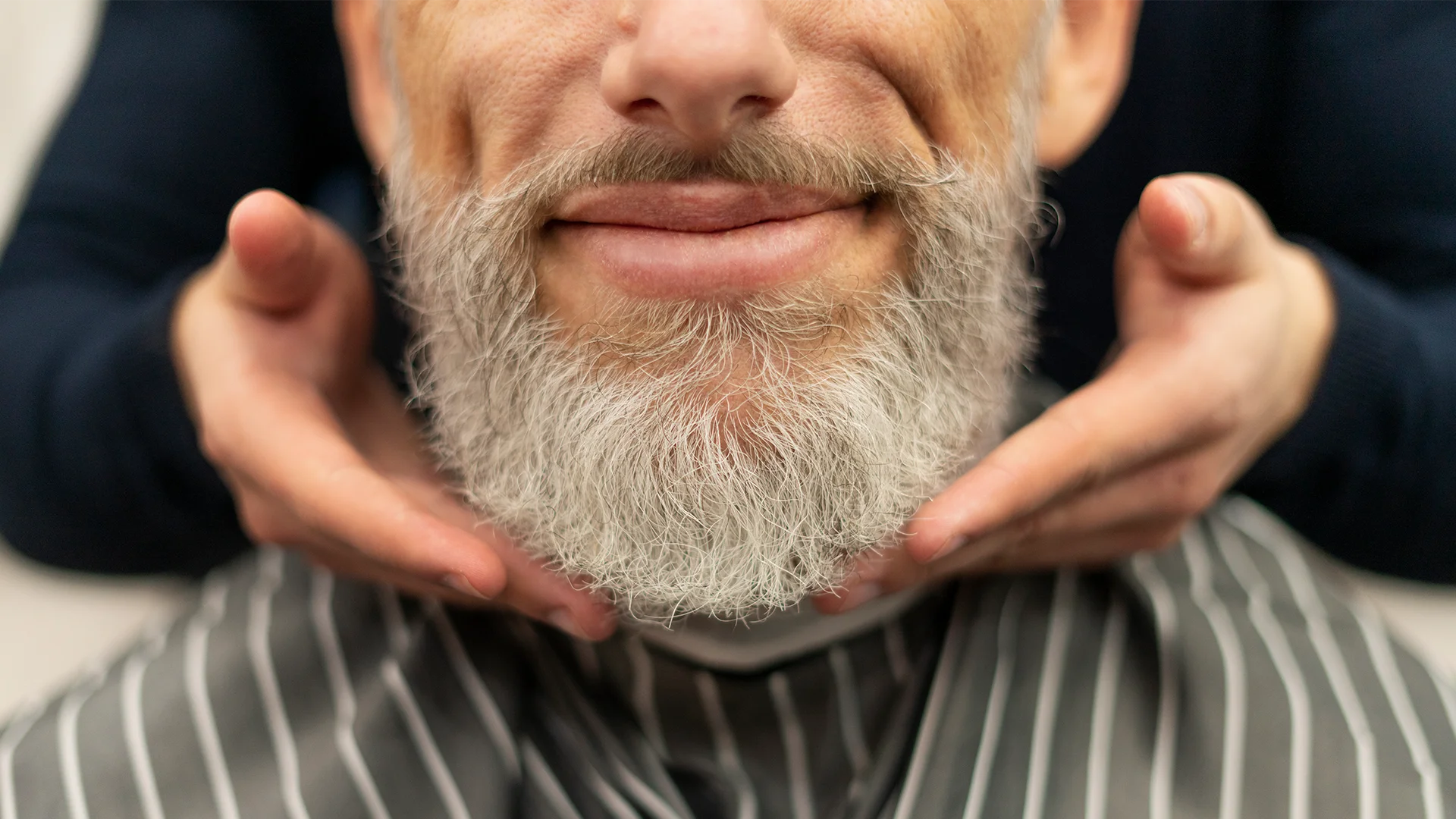
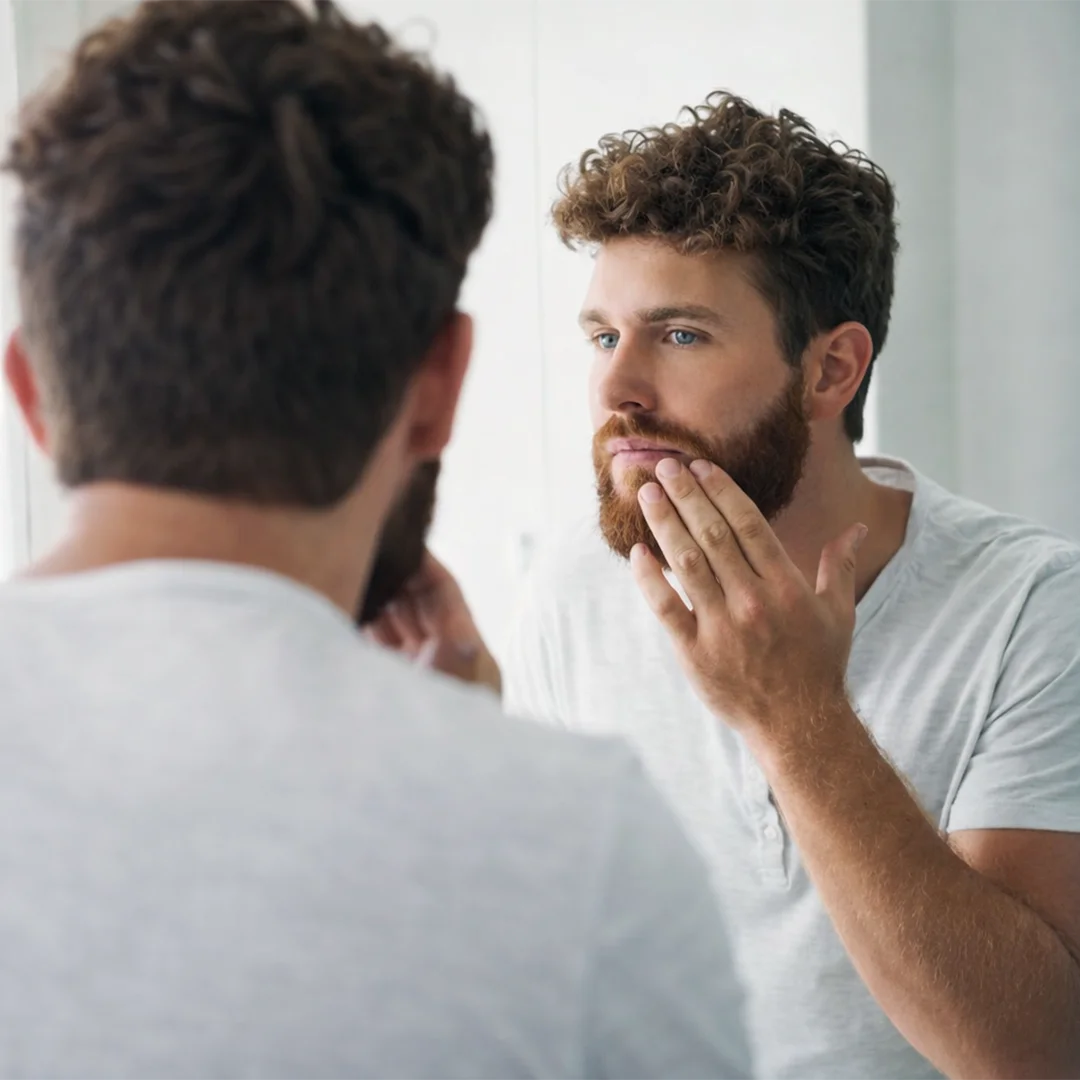
Beard Hair Transplant is a specialized cosmetic procedure designed to enhance facial hair density, shape, and symmetry. This treatment is ideal for individuals experiencing patchy beard growth, scars, or uneven facial hair distribution. By transplanting healthy hair follicles to targeted areas, a fuller and more defined beard appearance can be achieved. The procedure offers natural-looking results when performed with precise planning and proper technique. At Estemoon, beard hair transplants are customized to match facial structure and personal style while prioritizing safety and long-term satisfaction.
Understanding the Science Behind Facial Hair Restoration
Facial hair restoration is based on medical principles that focus on follicle viability and natural growth patterns. Understanding the underlying causes of beard hair loss helps create effective and long-lasting treatment plans.
Common causes of beard patchiness and hair loss
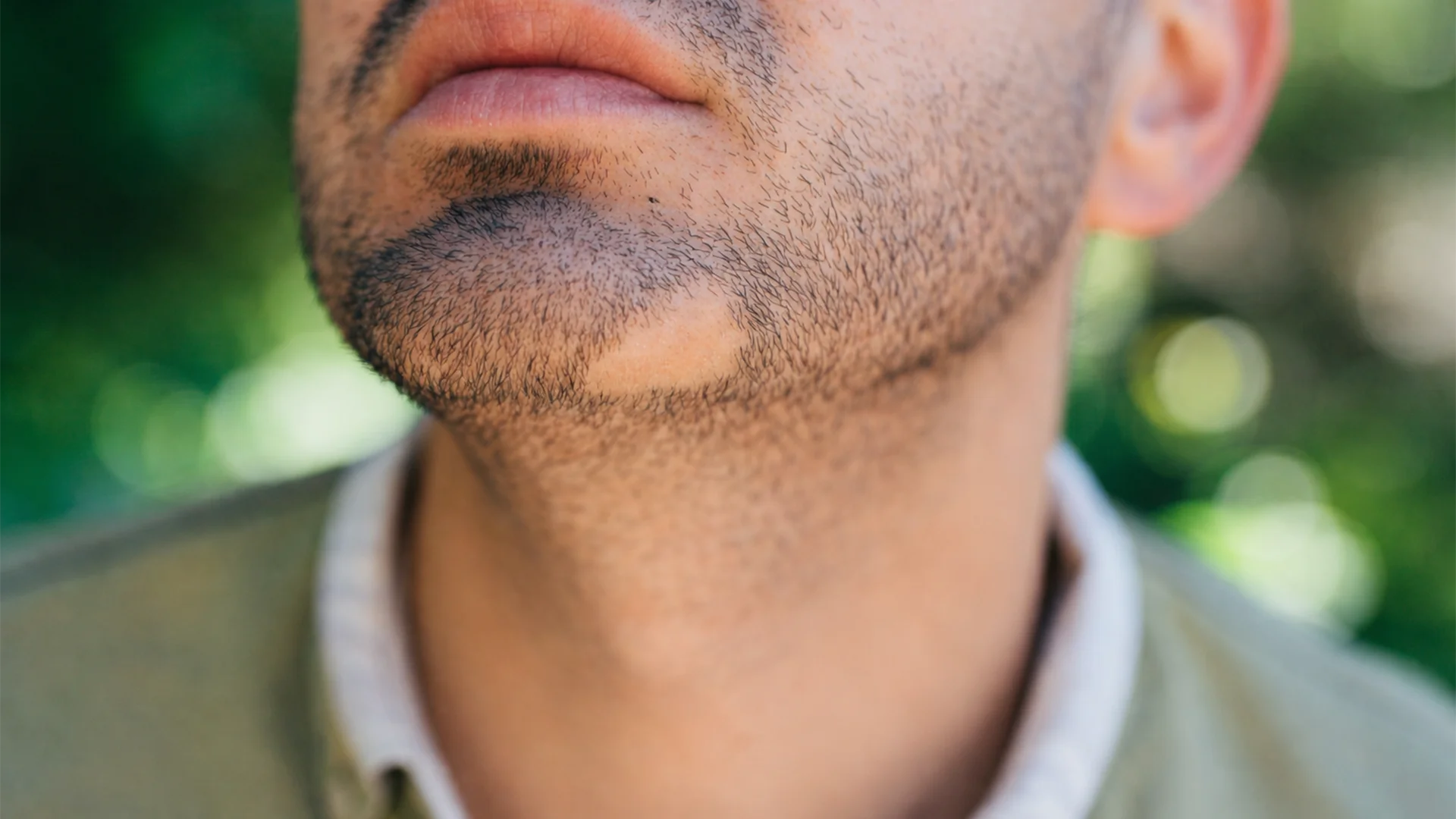
Beard patchiness is often caused by genetic factors, hormonal imbalance, or limited blood circulation in certain facial areas. Scarring from acne or minor injuries can also prevent hair from growing evenly. In some cases, natural beard development remains incomplete despite age. A proper evaluation helps identify the exact cause and suitable treatment approach.
How genetics influence your facial hair density
Genetics play a major role in determining beard thickness, growth speed, and coverage. Some individuals naturally have uneven or sparse facial hair due to inherited traits. While these patterns cannot be changed naturally, transplantation can redistribute hair to create a balanced look. This allows for improved density while respecting natural growth characteristics.
Restoring hair growth on burns and injury scars
Step by Step Process of Beard Reconstruction
Beard reconstruction follows a structured and carefully planned procedure. Each step is designed to achieve natural-looking results while maintaining patient comfort and safety.
Designing the perfect beard line for your face shape
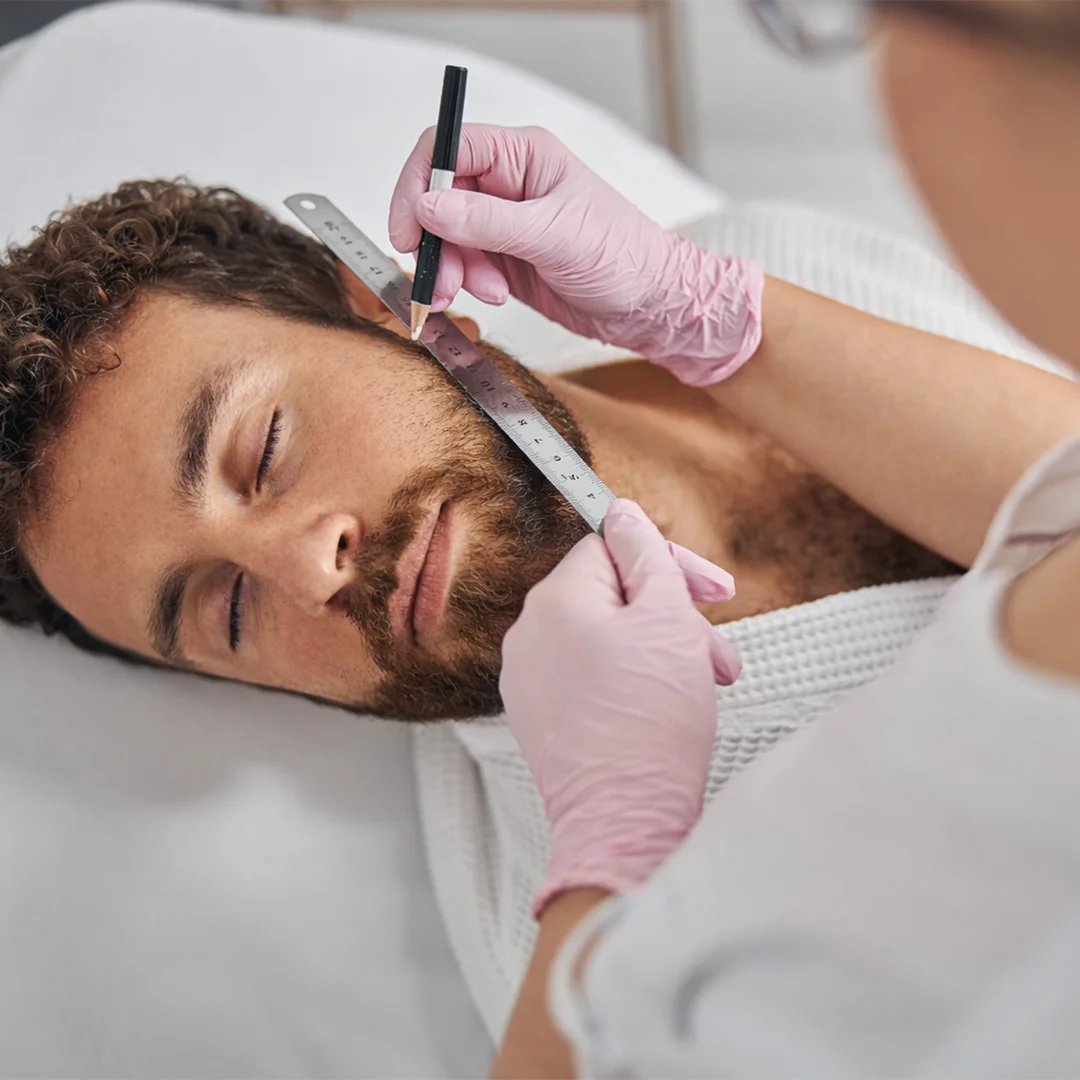
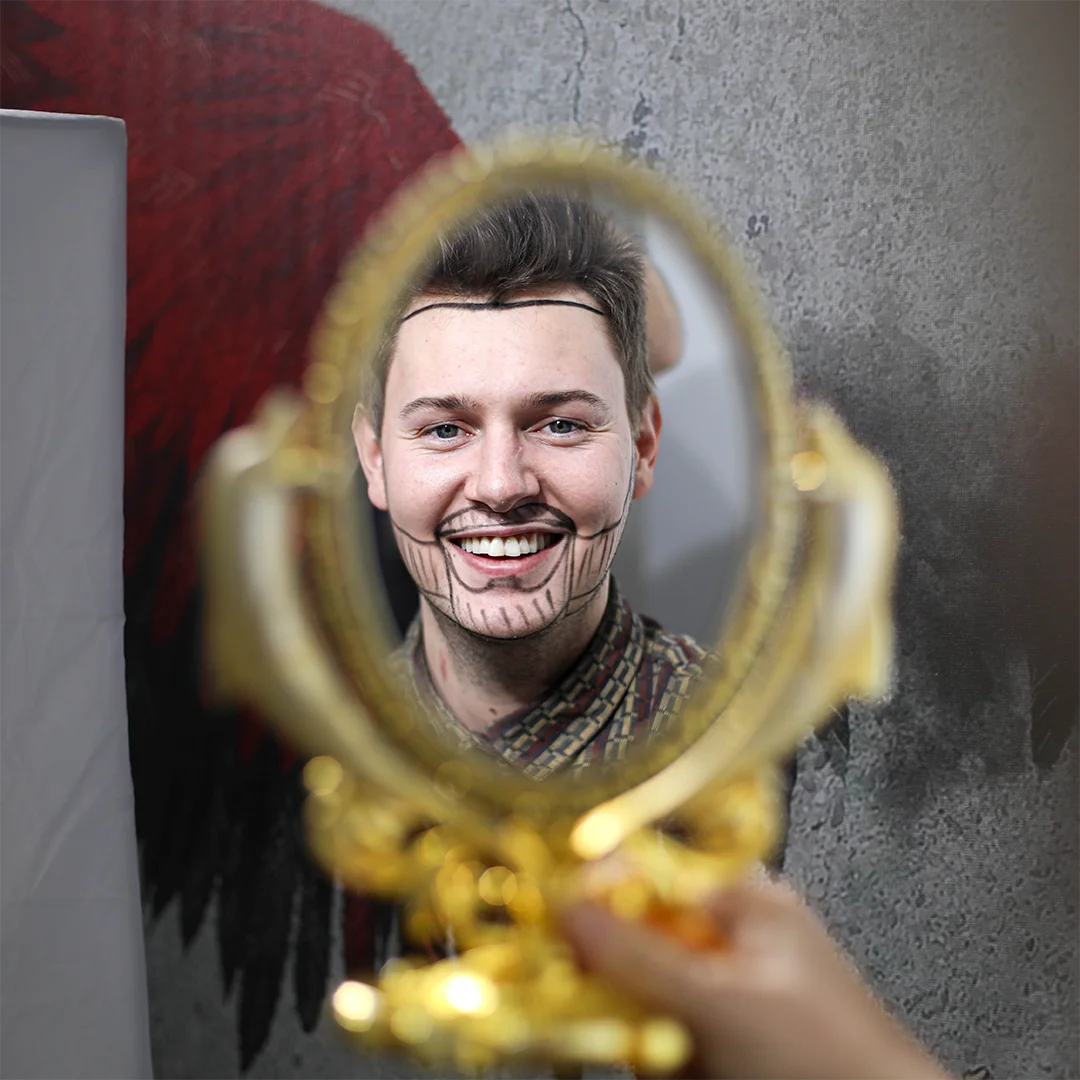
The procedure begins with designing a beard line that complements facial proportions. Natural growth direction and personal style preferences are taken into account. Symmetry and density balance are carefully planned before the procedure starts. This design stage is critical for achieving a realistic and aesthetic outcome.
Extracting high quality grafts from the donor area
Hair follicles are usually extracted from the back of the scalp, where hair characteristics closely match beard hair. Each graft is removed individually to protect the follicle structure. Careful extraction helps preserve donor area density. High-quality grafts increase survival rates and long-term success.
Health Considerations Before Surgery
General health plays an important role in candidacy for beard transplantation. Conditions that affect healing or blood circulation are evaluated beforehand. Patients are advised to disclose medical history and current medications. Proper screening supports safety and successful recovery.
Benefits of Beard Transplant Surgery
Beard transplant surgery offers long-term solutions for individuals seeking permanent facial hair improvement. The benefits extend beyond appearance to overall self-confidence.
Achieving Permanent Natural Beard Growth
Transplanted hair follicles are permanent and grow naturally over time. Once healed, the beard can be shaved, trimmed, and styled like natural facial hair. Growth follows normal hair cycles without special maintenance. This permanence makes the procedure a lasting solution.
Filling Patchy Areas and Improving Density
Targeted implantation helps fill empty or thin areas of the beard. Density is increased in a controlled and natural way. Proper angle and direction ensure seamless integration with existing hair. The result is a uniform and well-defined beard.
Boosting Facial Aesthetics and Confidence
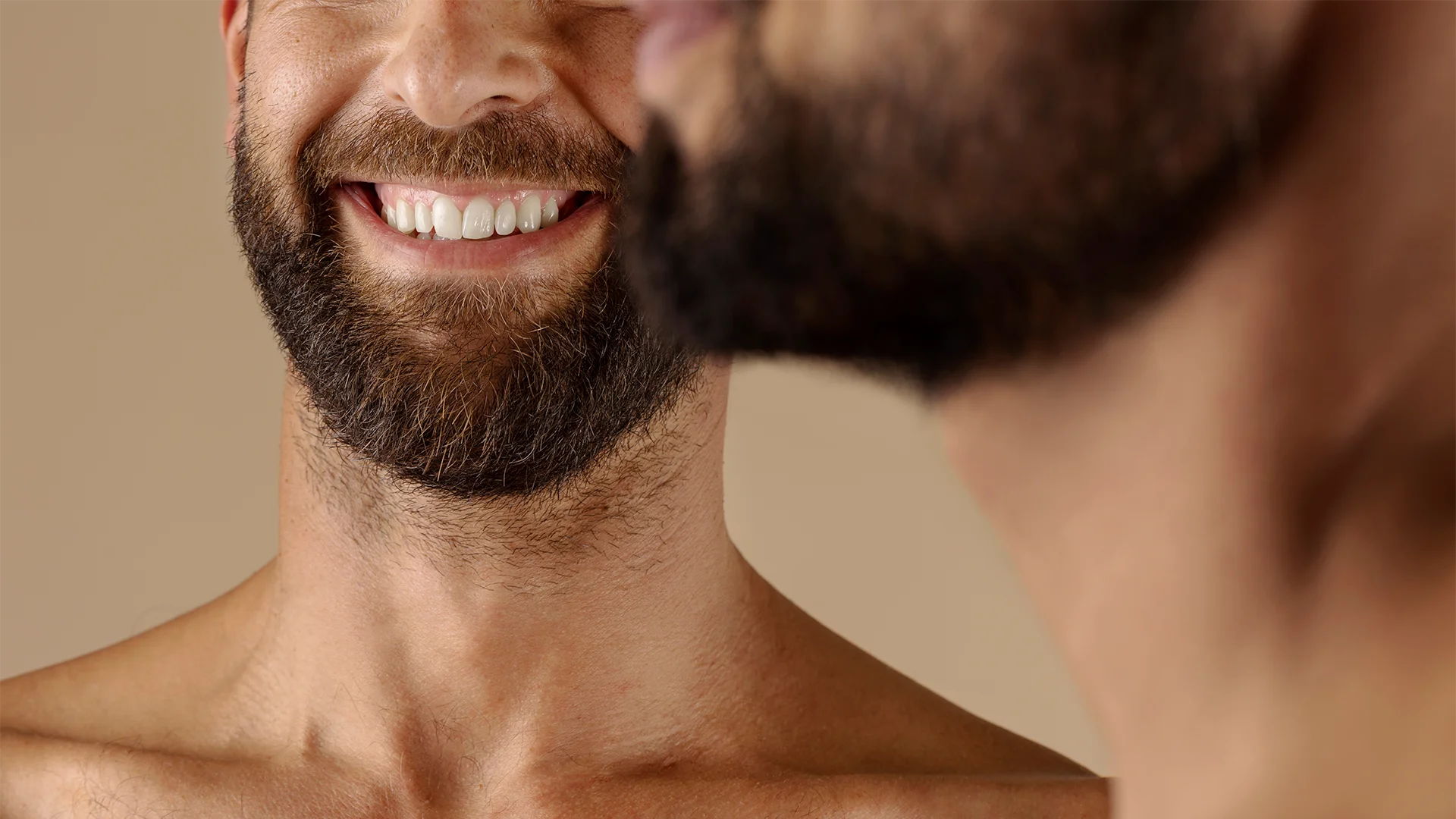
A fuller beard can significantly enhance facial symmetry and overall appearance. Improved aesthetics often lead to increased self-confidence in social and professional settings. Patients frequently report higher satisfaction with their appearance. At Estemoon, results are planned to align with individual facial features and expectations.
Recovery Process After Beard Transplant
The recovery process after a beard transplant is generally smooth when proper aftercare guidelines are followed. Understanding each stage helps protect grafts and supports healthy hair growth.
Immediate Post Procedure Care
After the procedure, the treated area may appear slightly red and sensitive. Patients are advised to avoid touching or washing the beard area for the initial period recommended by the medical team. Prescribed medications and gentle care help reduce the risk of infection. Proper rest supports early healing.
Timeline for Healing and Growth
Initial healing usually occurs within the first one to two weeks as redness and scabbing subside. Transplanted hairs may shed temporarily before entering a new growth phase. Visible beard growth typically begins after three to four months. Full and natural results develop gradually over time.

Managing Common Side Effects
Mild swelling, itching, or tightness in the treated area is common after surgery. These effects are temporary and can be managed with proper hydration and medical guidance. Avoiding sun exposure and strenuous activity supports recovery. Following aftercare instructions helps minimize complications.
Cost Factors for Beard Transplants in Turkey
Turkey is a popular destination for beard transplants due to its balance of quality and affordability. Understanding cost factors helps patients plan their treatment effectively.
Affordable Pricing Compared to Other Countries
Beard transplant procedures in Turkey are significantly more affordable than in many Western countries. Lower operational costs allow patients to access high-quality medical care at competitive prices. This cost advantage does not compromise safety or results. Patients benefit from experienced professionals and modern techniques.
What Influences the Total Cost
The total cost depends on factors such as the number of grafts required and the complexity of the beard design. Donor area condition and individual expectations also play a role. Additional services included in the package can affect pricing. A personalized assessment ensures transparent cost planning.
All Inclusive Packages and Extras
All-inclusive packages often cover the procedure, consultations, medications, and aftercare support. Additional services such as accommodation and transfers may also be included. These packages offer convenience and clarity for international patients. At Estemoon, comprehensive planning helps create a smooth and stress-free treatment experience.
Planning Your Beard Transplant Journey
Careful planning plays a key role in ensuring a smooth and successful beard transplant experience. From travel arrangements to aftercare, each step is designed to support comfort and safety.
Travel and Accommodation Arrangements
International patients often receive support with travel and accommodation planning. Well-organized transfers and nearby hotel options help reduce stress before and after the procedure. Coordinated scheduling ensures minimal waiting time. This structured approach allows patients to focus fully on their treatment and recovery.
Sedation Options for Comfort
Beard transplant procedures are typically performed under local anesthesia to ensure comfort. In some cases, mild sedation options may be available for patients who feel anxious. These options help create a relaxed experience without compromising safety. All anesthesia protocols are carefully monitored by medical professionals.
Aftercare Support and Follow Ups
Aftercare is essential for protecting grafts and supporting healthy beard growth. Follow-up consultations help monitor healing and address any concerns early. Patients receive clear guidance on washing, grooming, and daily care. At Estemoon, ongoing support continues even after patients return home.
Risks and How to Avoid Common Issues
Like any medical procedure, beard transplants carry certain risks. Proper planning and professional care significantly reduce the likelihood of complications.
| Risk Area | Prevention Focus |
|---|---|
| Surgical risks | Professional planning |
| Healing issues | Proper aftercare |
| Growth problems | Correct technique |
| Long-term results | Experienced surgeons |
Selecting Certified Surgeons to Minimize Risks
Choosing qualified and experienced surgeons is one of the most important safety factors. Certified professionals follow strict medical protocols and use advanced techniques. Their expertise helps reduce risks such as poor graft survival or uneven growth. Proper surgeon selection directly impacts overall results.
Understanding Potential Complications
Possible complications may include temporary swelling, infection, or uneven density. These issues are rare when procedures are performed correctly. Early detection and proper aftercare help prevent long-term problems. Clear communication with the medical team is essential during recovery.
Tips from Real Patient Experiences
Patients often emphasize the importance of following aftercare instructions closely. Avoiding early shaving, sun exposure, and strenuous activity helps protect grafts. Staying patient during the growth phase is also commonly advised. Real experiences highlight that discipline during recovery leads to better outcomes.
Why Turkey Leads in Beard Transplants
Turkey has become a global leader in beard transplant procedures due to its expertise, infrastructure, and patient-focused services. These factors attract patients from around the world.
High Volume Experience and Advanced Clinics
Clinics in Turkey perform a high number of beard transplant procedures each year. This volume contributes to refined techniques and consistent results. Advanced medical technology supports precision and safety. Experience plays a key role in achieving natural-looking outcomes.

JCI Accredited Facilities for Safety
Many facilities operate under internationally recognized safety standards. JCI accreditation reflects a strong commitment to patient care and medical quality. These standards ensure sterile environments and structured clinical processes. Patients benefit from globally aligned healthcare practices.
Real Patient Results from International Travelers
International patients often choose Turkey based on positive results shared by previous visitors. Documented outcomes highlight natural density and improved facial aesthetics. Consistent satisfaction reinforces Turkey’s reputation in facial hair restoration. At Estemoon, international experience and personalized care remain central to every treatment plan.