

DHI Transplant in Turkey
DHI Hair Transplant
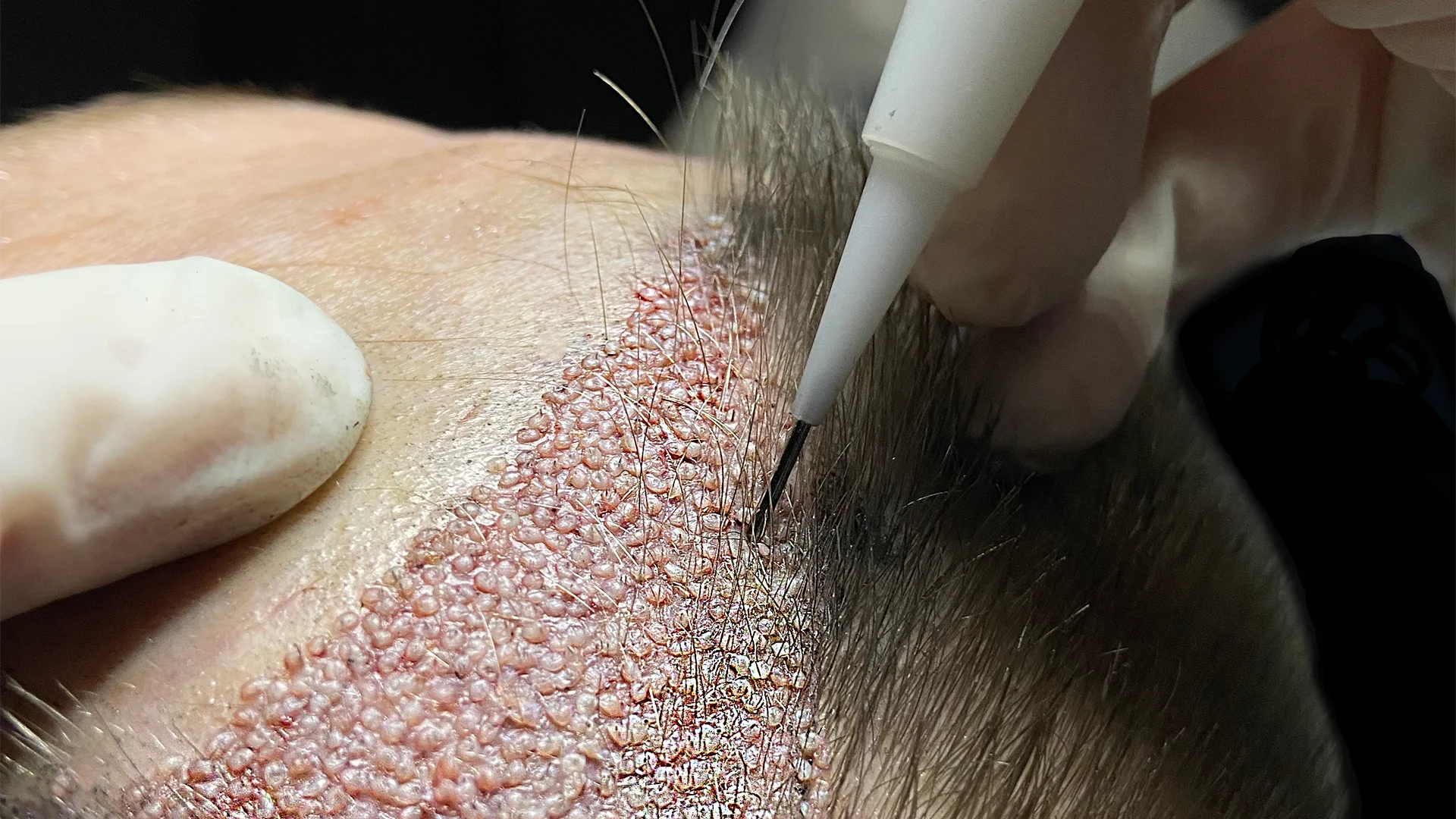
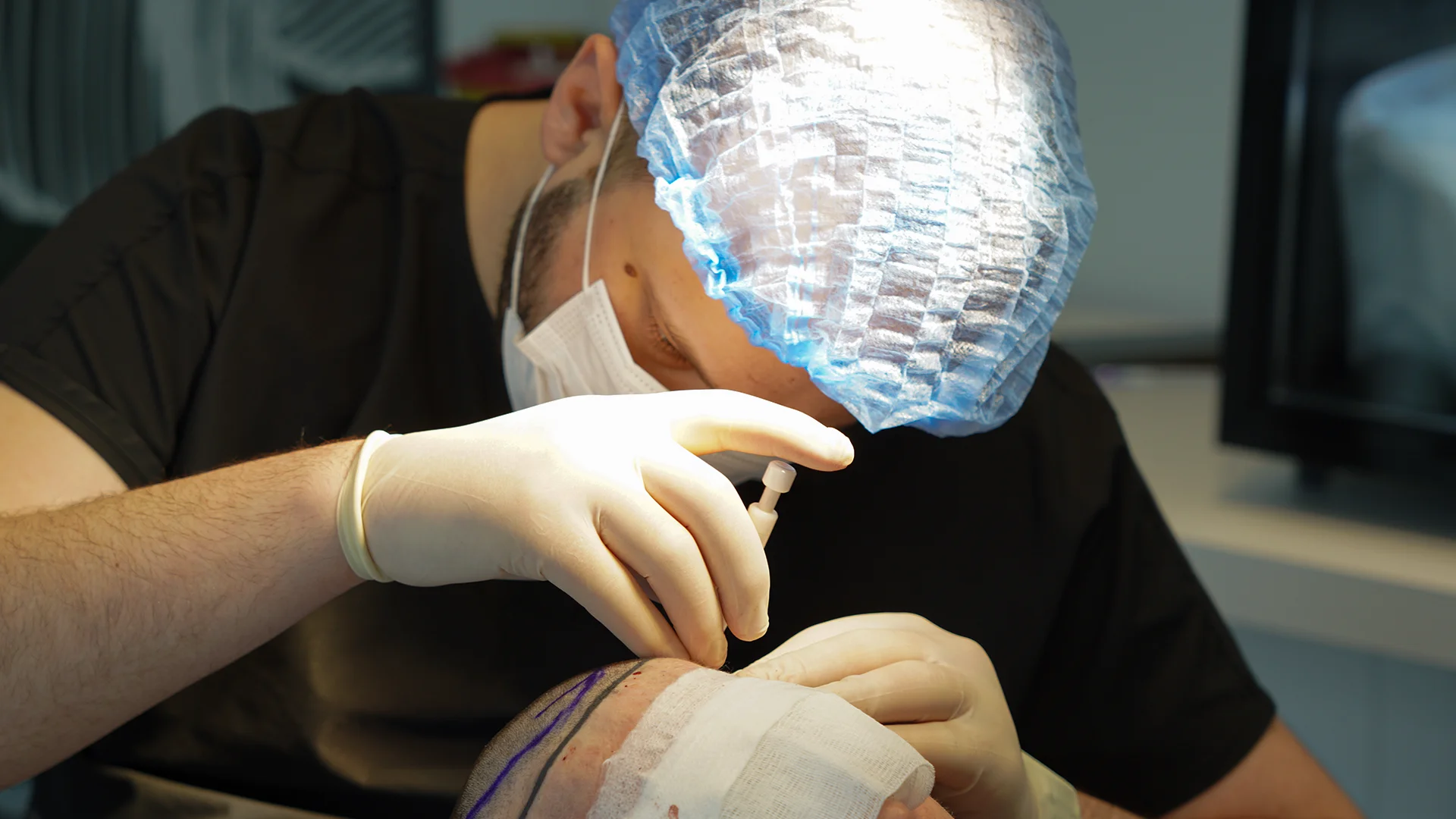
DHI Hair Transplant is an advanced hair restoration technique known for its precision and controlled implantation process. This method uses a specialized implanter pen that allows hair follicles to be placed directly into the scalp without the need for pre-made channels. By minimizing handling time, DHI helps protect graft quality and supports higher survival rates. It is especially suitable for patients seeking natural density in targeted areas such as the hairline or temples. At Estemoon, DHI Hair Transplant is performed with a personalized approach to achieve natural, long-lasting results while prioritizing patient comfort and safety.
Understanding DHI Hair Transplant Method
The DHI hair transplant method is designed to deliver high precision and controlled implantation for natural-looking results. It focuses on protecting follicle integrity while allowing detailed customization of hair placement.
Definition and Purpose of DHI for Hair Loss
DHI, or Direct Hair Implantation, is a technique where hair follicles are implanted directly into the scalp using a specialized implanter pen. This method aims to minimize the time grafts spend outside the body, helping preserve their vitality. It is commonly chosen for patients seeking natural density in specific areas. DHI is especially effective for refining hairlines and filling localized thinning zones.
Key Differences from FUT and FUE Methods
Unlike FUT, DHI does not involve removing a strip of scalp, eliminating linear scarring. Compared to traditional FUE, DHI skips the channel-opening stage, as implantation is performed directly. This reduces scalp trauma and allows more precise placement. The method is often preferred when detailed control over aesthetics is required.
Precision Control in Depth Angle and Direction
The implanter pen used in DHI provides surgeons with full control over implantation depth, angle, and direction. This precision helps ensure that transplanted hair grows naturally and blends seamlessly with existing hair. Accurate placement also reduces the risk of graft damage. As a result, the overall appearance is more refined and realistic.
Step-by-Step DHI Hair Transplant Procedure
The DHI procedure follows a carefully planned sequence to ensure graft safety and patient comfort. Each step is optimized to support natural hair growth and long-term success.
Preparation and Local Anesthesia Process
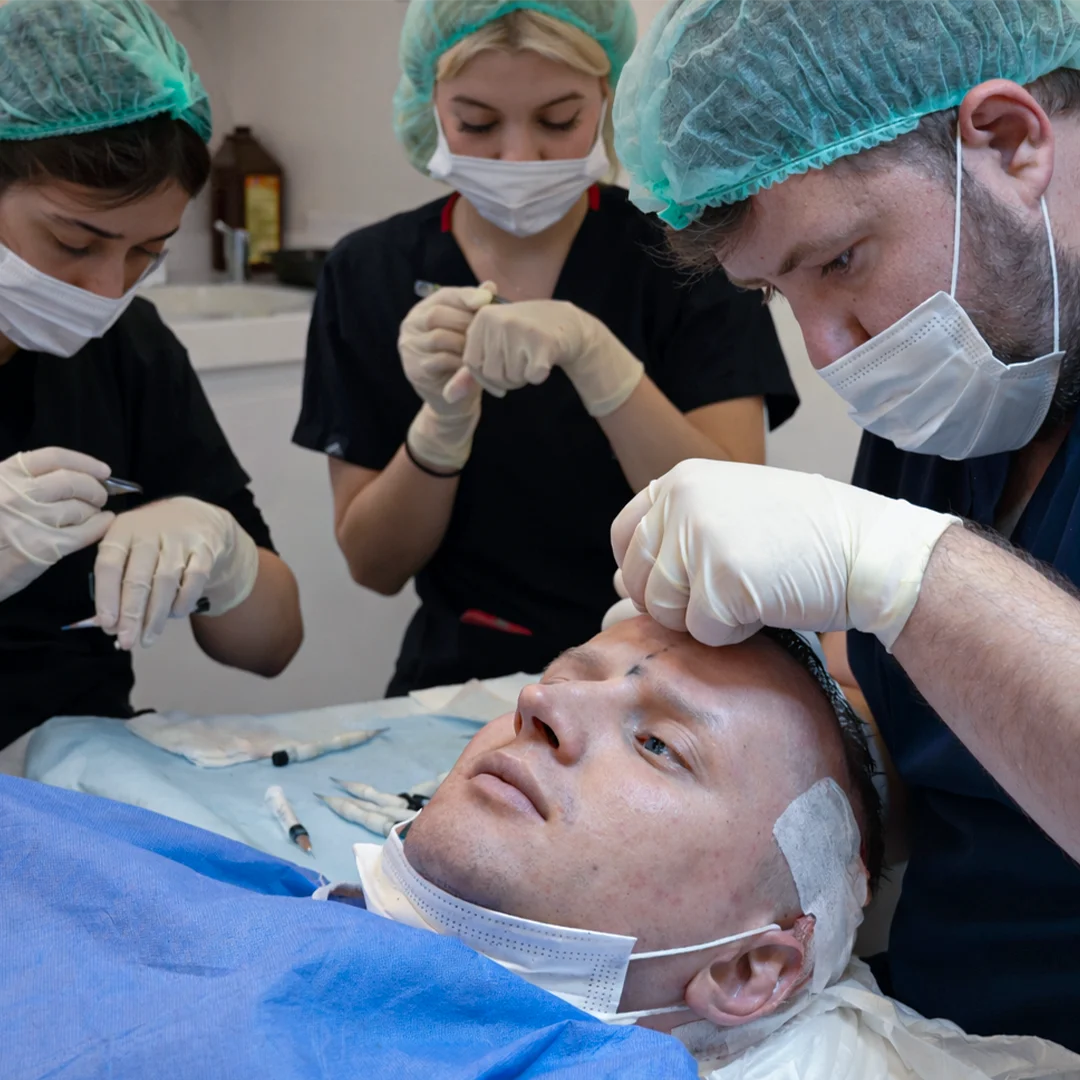
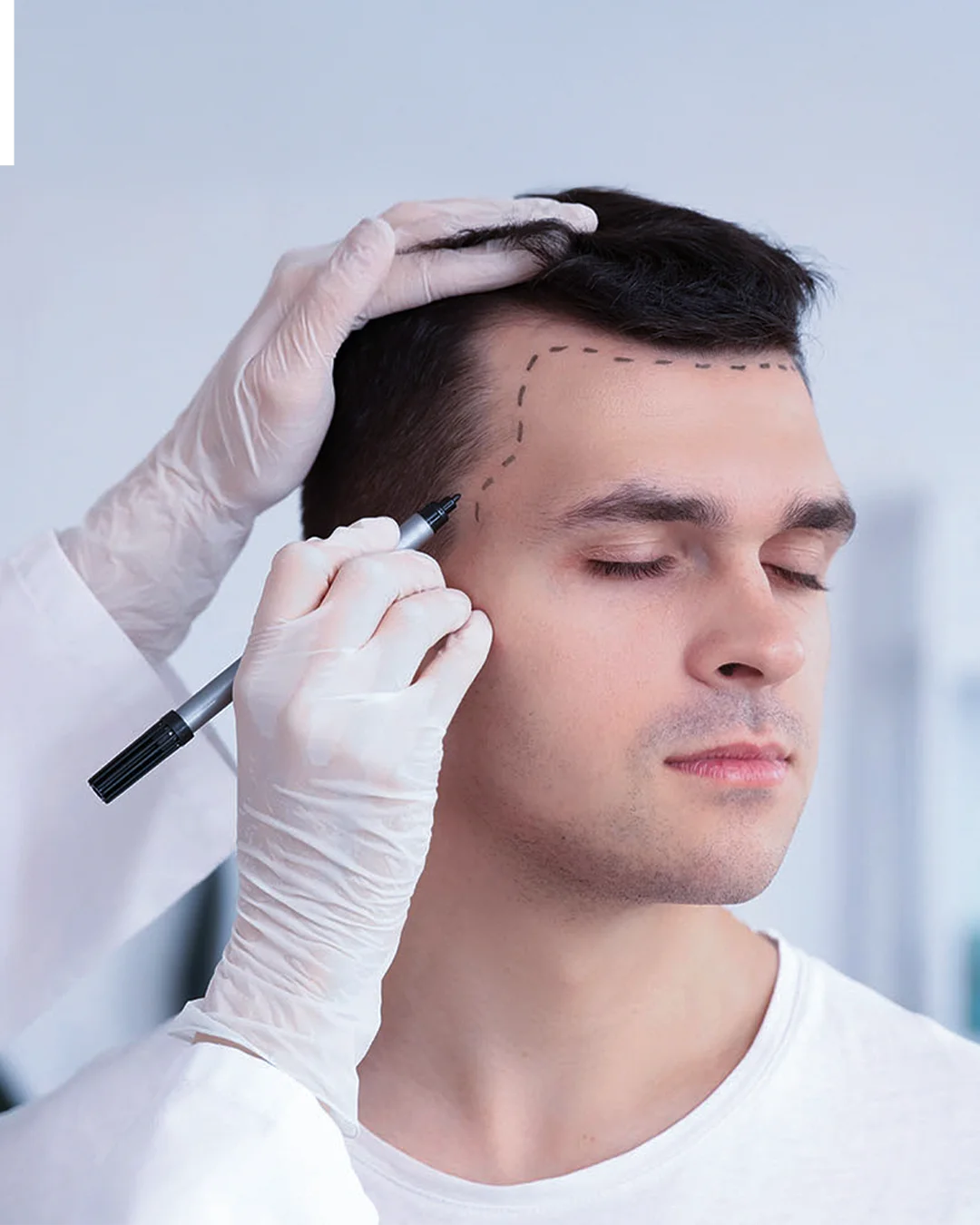
Before the procedure begins, the scalp is cleaned and the hairline is designed according to facial proportions. Local anesthesia is then applied to both the donor and recipient areas. This ensures a pain-free experience throughout the surgery. Patients remain awake and comfortable during the process.
Hair Follicle Extraction from Donor Area
Hair follicles are extracted individually from the donor area using micro-punch tools. This technique protects the follicle structure and minimizes trauma to surrounding tissue. Extracted grafts are carefully sorted and prepared for immediate implantation. Proper handling is crucial to maintaining graft quality.
Direct Implantation into Recipient Site
In DHI, grafts are implanted directly into the recipient area using the implanter pen. This eliminates the need for pre-made channels and shortens graft exposure time. Each follicle is placed with precise control to achieve natural density and direction. At Estemoon, this meticulous approach supports consistent and long-lasting results.
Benefits of DHI Hair Transplant According to Hair Restoration Research
Clinical observations and hair restoration research highlight DHI as a technique that prioritizes precision and graft protection. These benefits contribute to both aesthetic quality and long-term success.
Natural-Looking Results with Seamless Hairline
DHI allows surgeons to control the exact angle and direction of each implanted follicle. This level of precision is especially important for creating soft and natural hairlines. Transplanted hair blends smoothly with existing strands, avoiding an artificial appearance. The result is a balanced and aesthetically pleasing outcome.
Minimal Scarring and Higher Graft Survival
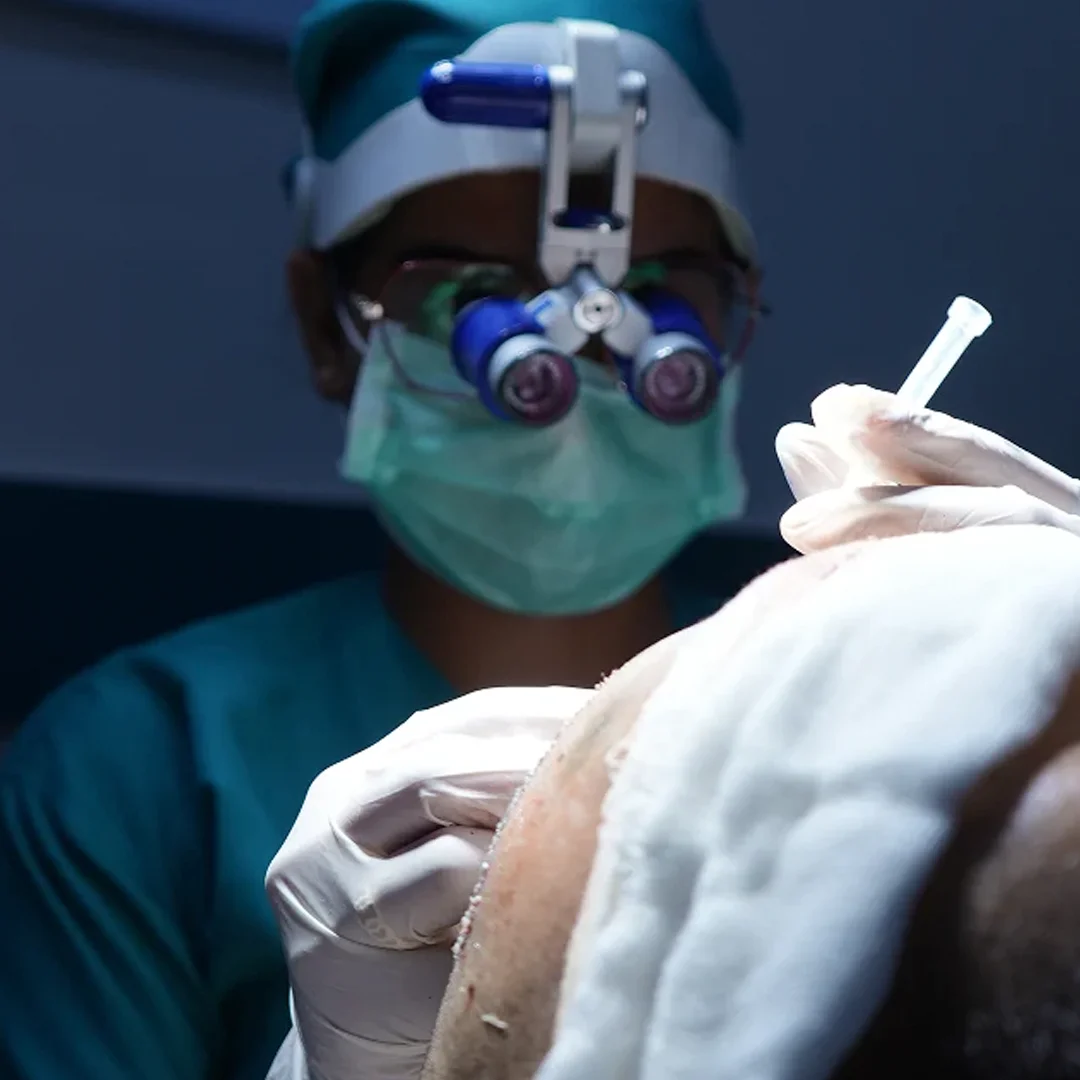
Since DHI does not require large incisions or channel opening, scarring is minimal. The direct implantation method reduces trauma to the scalp and shortens graft handling time. This helps preserve follicle vitality and increases survival rates. Patients benefit from healthier grafts and more consistent growth.
Quick Recovery with Less Discomfort
The minimally invasive nature of DHI supports a faster recovery process. Patients typically experience less swelling and post-operative discomfort compared to traditional methods. Daily activities can often be resumed within a short period. This makes DHI a convenient option for individuals with busy schedules.
Advantages and Disadvantages of DHI Technique
While DHI offers significant benefits, it is important to understand both its strengths and limitations. A balanced evaluation helps patients choose the most suitable method.
Superior Accuracy Over Traditional Methods
DHI provides greater accuracy than many traditional hair transplant techniques. The implanter pen enables controlled placement without damaging surrounding tissue. This precision leads to natural growth patterns and improved aesthetic outcomes. It is particularly effective for detailed work in sensitive areas.
Potential Limitations Like Graft Limits per Session
One limitation of DHI is the number of grafts that can be implanted in a single session. Due to the meticulous implantation process, large-scale transplants may require multiple sessions. This can extend the overall treatment timeline. Proper planning helps manage expectations and outcomes.
Micro Sapphire DHI for Reduced Risks
Micro sapphire DHI combines the precision of DHI with refined sapphire-based tools for enhanced safety. This approach further minimizes tissue trauma and reduces the risk of inflammation. Cleaner implantation supports faster healing and graft stability. At Estemoon, advanced techniques like this are applied to maximize patient safety and results.
Comparing DHI to FUE Hair Transplant
Both DHI and FUE are effective hair restoration techniques, but they differ in application, flexibility, and results. Understanding these differences helps patients make informed decisions.
Natural Results and Minimal Handling in DHI
DHI involves direct implantation of hair follicles using an implanter pen, which minimizes handling time. This reduced exposure helps preserve graft vitality and supports natural growth. Precise control over angle and depth results in soft, natural-looking outcomes. DHI is particularly effective for refined hairline work.
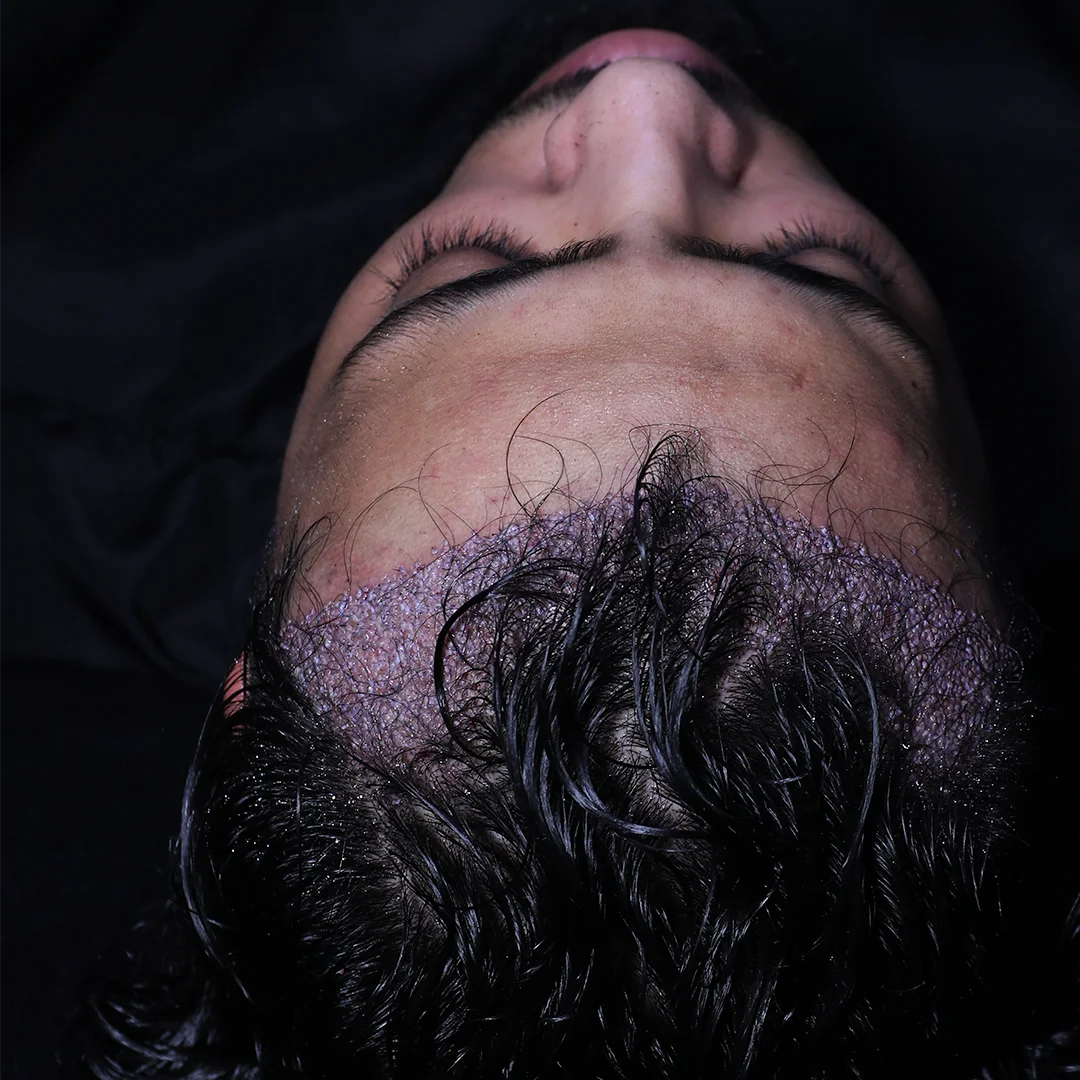
Versatility and Scarring in FUE
FUE is known for its versatility and ability to cover larger bald areas in a single session. While it involves creating channels before implantation, scarring remains minimal and typically appears as tiny dot marks. This method is often preferred for extensive hair loss cases. Healing is generally quick when performed with proper technique.
Choosing the Right Method Based on Hair Loss Pattern
The choice between DHI and FUE depends on individual hair loss patterns and goals. DHI is ideal for localized thinning and detailed work, while FUE is more suitable for widespread baldness. Donor area condition and future hair loss are also considered. A professional assessment ensures the most effective treatment plan.
Post-Procedure Care and Expectations for DHI
Proper aftercare is essential to protect grafts and achieve optimal results after a DHI procedure. Understanding what to expect helps patients navigate the recovery process with confidence.
Initial Hair Shedding and Resting Phase
After DHI, transplanted hairs often shed within the first few weeks. This is a normal part of the hair growth cycle known as the resting phase. The follicles remain healthy beneath the scalp and prepare for new growth. Patients should not be concerned during this temporary phase.

Timeline for Full Natural Hair Growth
New hair growth typically begins around the third to fourth month after the procedure. Hair gradually thickens and becomes more noticeable over time. Full, natural-looking results are usually visible within 12 months. Patience is key during this gradual transformation.
Managing Risks with Expert Guidance
Following medical advice helps minimize potential risks such as infection or uneven growth. Regular check-ups and proper scalp care are important during recovery. Expert guidance ensures that any concerns are addressed promptly. At Estemoon, patients receive ongoing support to maintain healthy and successful outcomes.
Recovery Timeline and Aftercare Essentials
A well-managed recovery period is essential for achieving successful and long-lasting DHI results. Understanding each stage helps patients protect grafts and support healthy hair growth.
What to Expect in First Weeks Including Shock Loss Phase
During the first weeks after DHI, mild redness, scabbing, and sensitivity are normal. Transplanted hairs may shed temporarily in a process known as shock loss, which is a natural reaction of the follicles. This phase does not indicate graft failure, as the roots remain intact beneath the scalp. Proper aftercare during this time is crucial for smooth healing.
Growth Phases from 3–4 Months to Full Results in 12 Months
New hair growth typically begins between the third and fourth month after the procedure. Hair gradually becomes thicker and more consistent as follicles enter active growth phases. Noticeable improvements continue over time, with final results usually visible around 12 months. This gradual progression leads to natural density and texture.
Practical Tips for Sleep, Exercise, and Using Aftercare App
Patients are advised to sleep with their head elevated during the initial days to reduce swelling. Strenuous exercise should be avoided for a short period to protect grafts. Following personalized aftercare instructions supports optimal recovery. At Estemoon, digital aftercare tools are used to help patients track progress and follow guidance easily.
Booking Your DHI Procedure in Turkey Made Simple
The process of booking a DHI procedure in Turkey is designed to be clear, efficient, and patient-friendly. Professional coordination ensures a smooth experience from consultation to recovery.
Easy Steps to Get a Free Consultation Online
The journey begins with a free online consultation where patients can share photos and medical information. Specialists assess hair loss patterns and recommend a personalized treatment plan. This step helps clarify expectations and suitability before any commitment. It also allows for accurate planning from the start.
Cost Range from $2500 to $5000 and What Is Included
DHI hair transplant costs in Turkey typically range between $2500 and $5000, depending on individual needs. These packages often include the procedure, medical consultations, medications, and aftercare support. Transparent pricing helps patients plan confidently. The focus is on value without compromising quality or safety.
Support for Travel, Hotel, and Post-Op Care Planning
Comprehensive support is provided for travel arrangements, hotel accommodation, and local transfers. Patients receive guidance throughout their stay, ensuring comfort and convenience. Post-operative care planning is also included to support recovery after returning home. At Estemoon, international patients are guided through every step of the process with a coordinated and professional approach.
Why Choose Estemoon for DHI Hair Transplant in Istanbul
Choosing the right Clinics is a critical factor in achieving successful DHI results. Estemoon combines medical expertise, advanced tools, and patient-focused services to deliver reliable and natural outcomes.
Expertise with Choi Implanter Pen by Experienced Surgeons
DHI procedures at Estemoon are performed using the Choi implanter pen, which allows precise control during implantation. Experienced surgeons carefully manage depth, angle, and direction for each graft. This expertise supports natural hair growth patterns and high graft survival rates. Attention to detail is especially important for refined hairline design.
All-Inclusive Packages Including Aftercare App and VIP Services
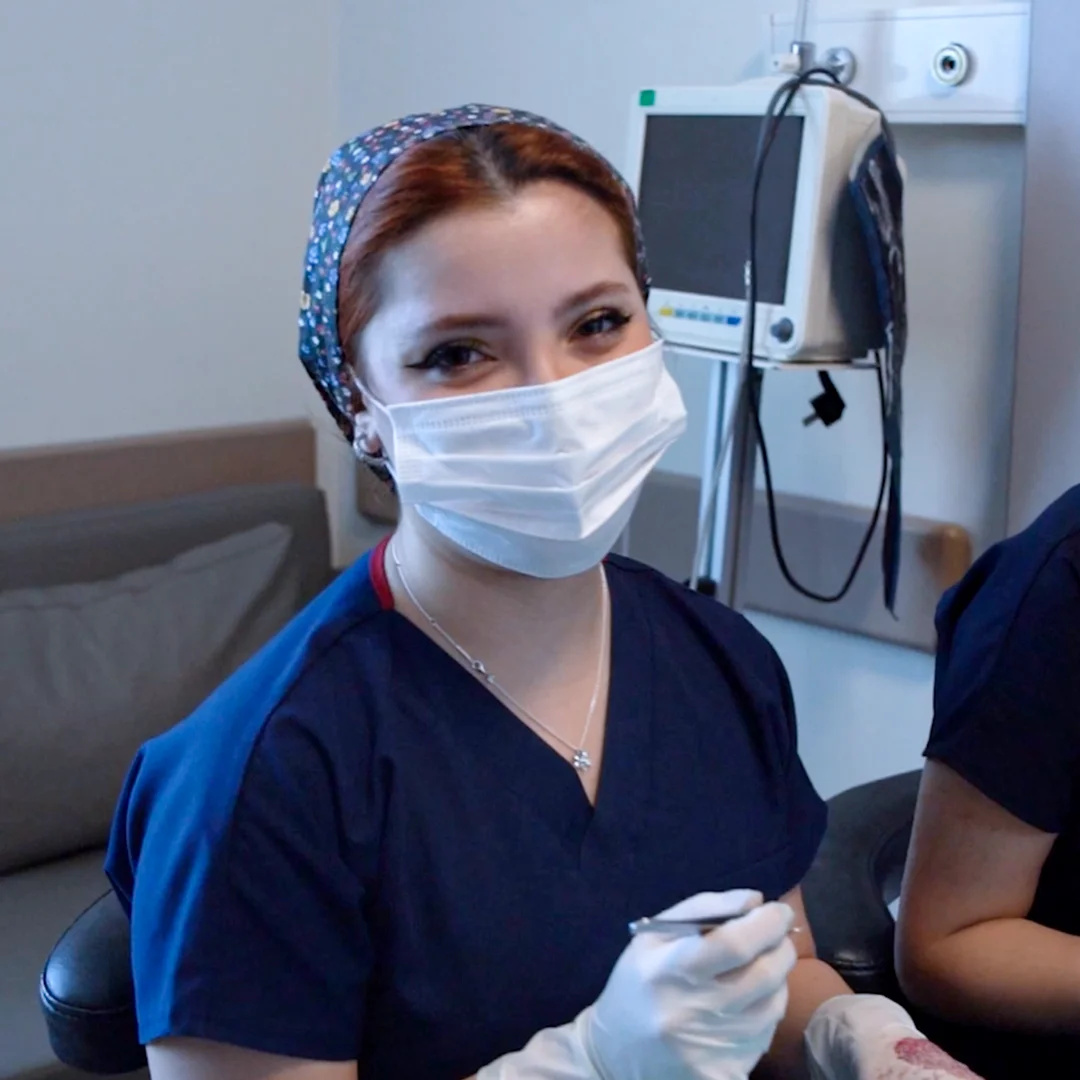
Estemoon offers all-inclusive DHI packages designed for comfort and convenience. These packages often include accommodation, airport transfers, and personalized aftercare support. A dedicated aftercare app helps patients follow recovery guidelines and track progress. VIP services ensure a smooth and stress-free treatment journey.
Free Hair Analysis and Personalized Quote Options
Patients can benefit from a free hair analysis before making any commitments. This evaluation helps determine suitability, graft requirements, and expected results. Based on this assessment, a personalized treatment plan and transparent quote are provided. This approach allows patients to make informed decisions with confidence.
Booking Your DHI Procedure in Turkey
The booking process for a DHI hair transplant in Turkey is structured to be simple and efficient. Clear guidance is provided at every stage to ensure a smooth experience.
Easy Steps to Get a Free Consultation Online
The process begins with an online consultation where patients can submit photos and relevant details. Specialists review the information and provide professional recommendations. This step helps clarify expectations and treatment options. It also enables accurate planning before travel.
Support for Travel, Hotel, and Post-Op Care Planning
Patients receive full support with travel arrangements, hotel selection, and local transportation. Post-operative care planning is also included to ensure a safe recovery after returning home. Continuous communication helps address any concerns promptly. At Estemoon, international patients are supported from the first consultation through full recovery.

Frequently Asked Questions
The advantages of DHI include a faster recovery time, more precise implantation, and minimal scarring. It also allows for a more natural-looking hairline as the angle and direction of the follicles are carefully controlled.
The main difference between DHI and FUE is the technique used for implantation. In DHI, hair follicles are implanted directly into the scalp using a specialized pen, while FUE involves creating small incisions to place the follicles.
A DHI hair transplant procedure typically takes 6 to 8 hours, depending on the number of grafts being transplanted. The process is performed in one session, which includes the extraction and implantation of hair follicles.