

Women Hair Transplant in Turkey
Understanding Female Hair Loss and Transplant Options
Female hair loss differs significantly from male baldness in cause, pattern, and treatment approach. According to the American Academy of Dermatology (AAD) and the International Society of Hair Restoration Surgery (ISHRS), women often experience diffuse thinning rather than complete bald areas. This makes proper diagnosis and individualized transplant planning essential. In Turkey, advanced diagnostic protocols allow specialists to determine whether hair transplantation is the most effective and sustainable option for each patient.
Common Causes of Hair Thinning in Women
Hair thinning in women can result from hormonal changes, genetics, medical conditions, or lifestyle factors. Research published by the National Institutes of Health (NIH) highlights female pattern hair loss (FPHL), iron deficiency, thyroid disorders, and postpartum hormonal shifts as leading causes. Chronic stress and nutritional deficiencies can further accelerate shedding. Identifying the root cause through blood tests and scalp analysis is critical before recommending a transplant.
| Common Cause | Description | Transplant Suitable? |
|---|---|---|
| Female Pattern Hair Loss | Gradual thinning on crown and part line | Yes (with stable donor area) |
| Postpartum Hair Loss | Temporary hormonal shedding | Usually No |
| Iron Deficiency | Diffuse shedding due to low ferritin | After correction |
| Traction Alopecia | Hair loss from tight hairstyles | Yes (early stages) |
Differences Between Female and Male Pattern Hair Loss
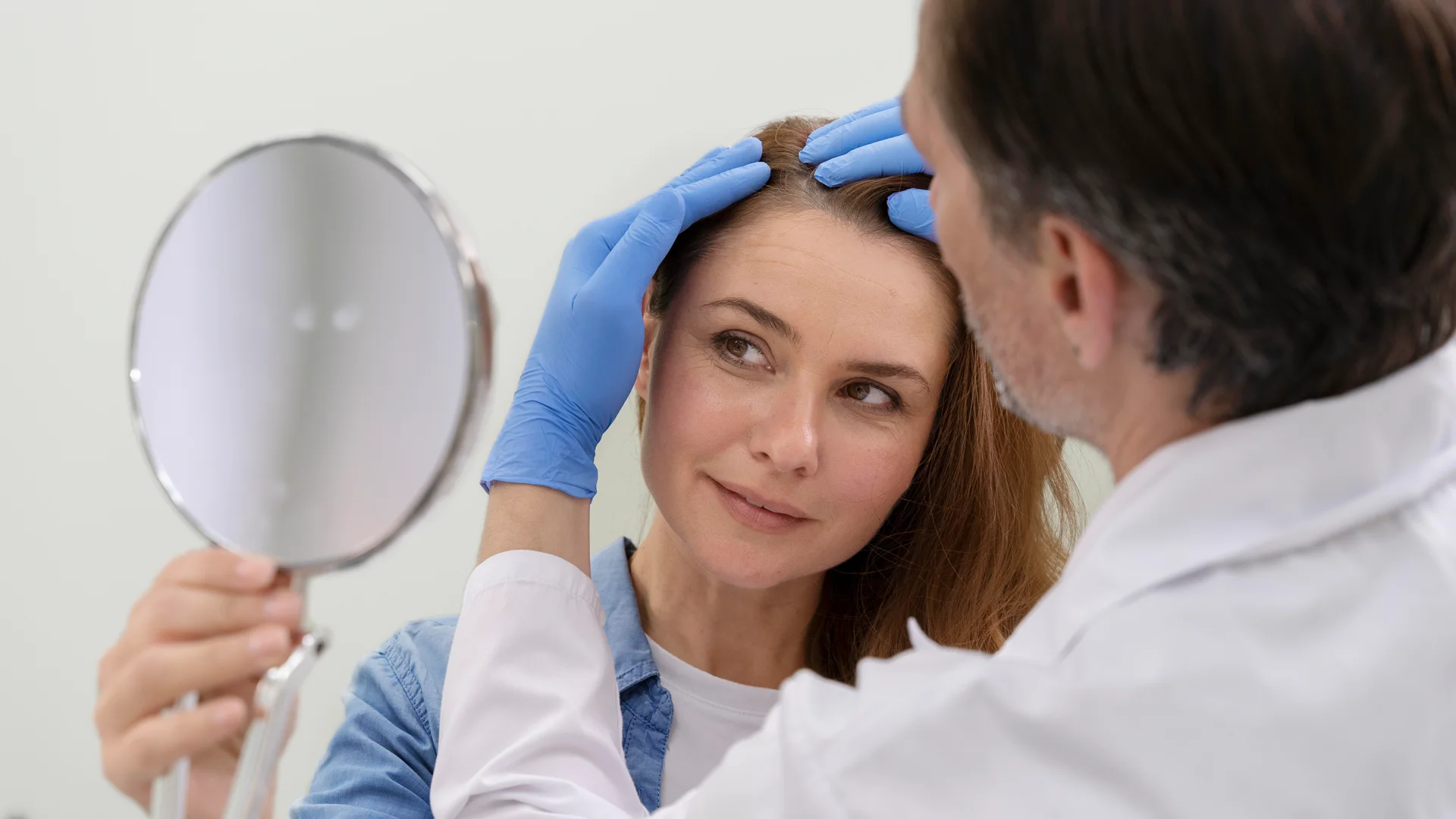
Unlike men, women rarely experience complete frontal baldness or receding hairlines. Female pattern hair loss usually preserves the frontal hairline while reducing overall density, especially at the crown. According to ISHRS clinical data, this requires more strategic graft distribution rather than concentrated implantation. As a result, women benefit from techniques that enhance density without shaving or altering existing hair structures. This distinction makes female hair transplantation a specialized field rather than a standard procedure.
Why Hair Transplants Work Well for Women
Hair transplants are highly effective for women when donor areas are healthy and hair loss is stable. Studies referenced by the World Health Organization (WHO) indicate that transplanted follicles maintain their genetic resistance to shedding. For women, this means long-lasting density improvement with natural integration into existing hair. When performed with refined techniques and precise placement, results are discreet and aesthetically balanced, making the procedure especially appealing for female patients.
Key Techniques for Women Hair Transplants
Modern hair restoration for women focuses on precision, minimal invasiveness, and natural appearance. Clinics in Turkey use advanced methods supported by global best practices and ongoing medical research. At Istanbul Care, technique selection depends on hair density, donor strength, and styling preferences. The goal is to achieve optimal coverage while preserving feminine hair aesthetics.
Follicular Unit Extraction (FUE) Without Full Shave
No-shave or partial-shave FUE is one of the most popular options for women. This technique allows follicular units to be extracted individually without shaving the entire scalp, preserving existing hairstyles. According to ISHRS guidelines, FUE minimizes scarring and reduces recovery time. It is especially suitable for women who want a discreet procedure with minimal social downtime.
| Feature | No-Shave FUE |
|---|---|
| Scalp Shaving | Not required |
| Healing Time | 7–10 days |
| Scar Visibility | Minimal |
| Ideal For | Diffuse thinning, crown loss |

Direct Hair Implantation (DHI) for Precision
DHI uses a specialized implantation pen that allows direct placement of follicles without creating prior incisions. This method offers superior control over angle, depth, and direction, which is critical for female hairlines and part areas. Clinical observations cited by European dermatology associations show higher graft survival rates with precise implantation. DHI is often preferred for women seeking dense, natural-looking results in visible areas.
Tailored Placement for Natural Female Hairlines
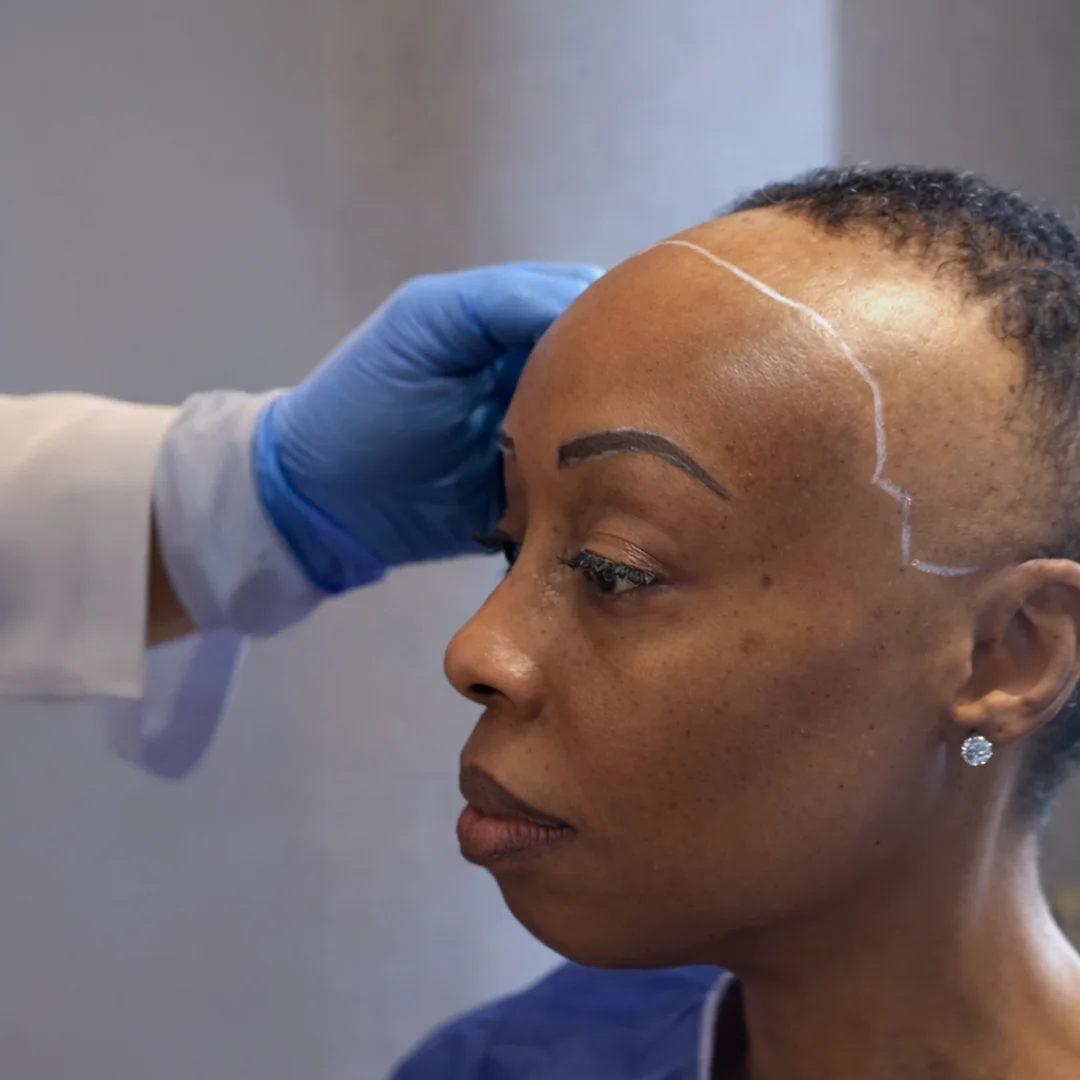
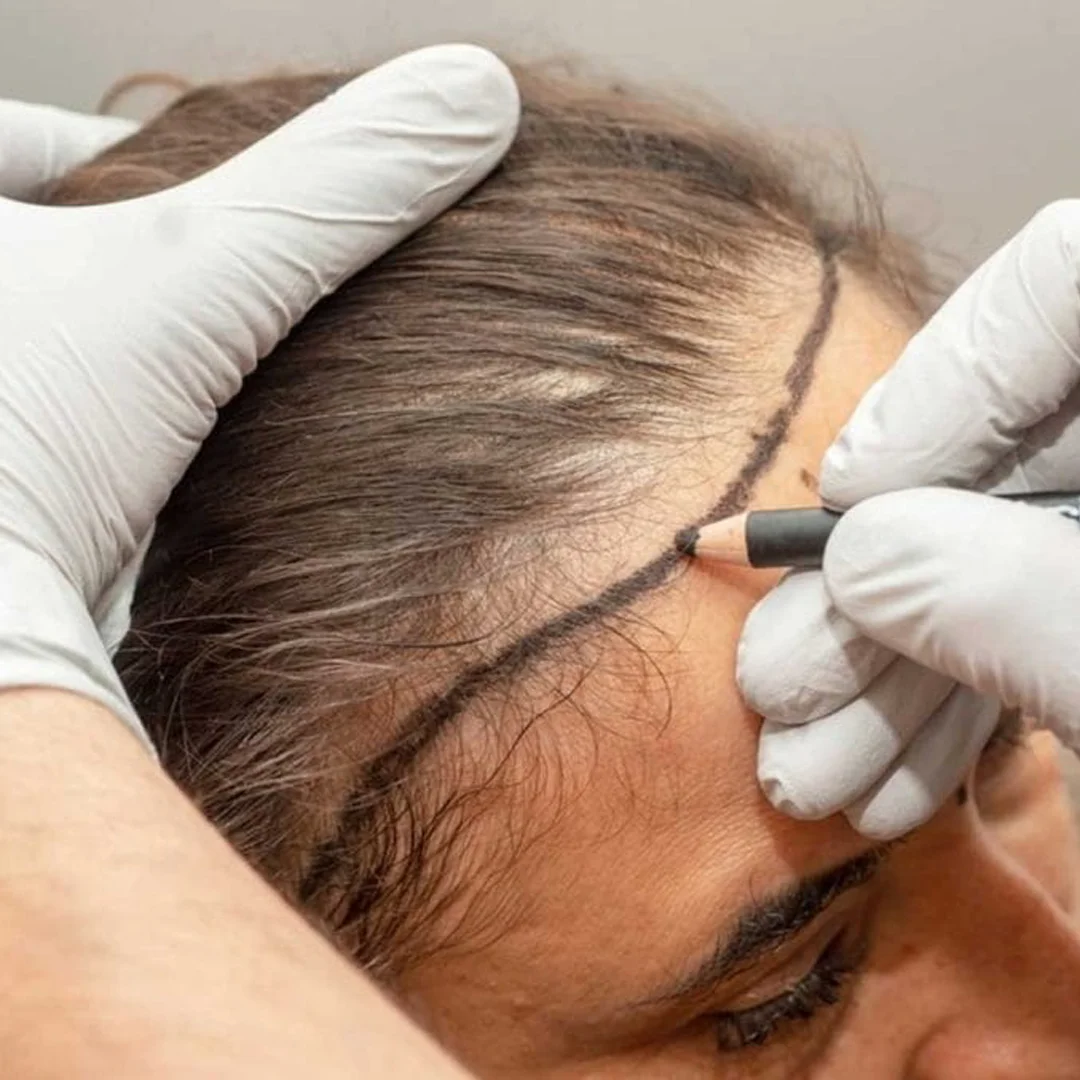
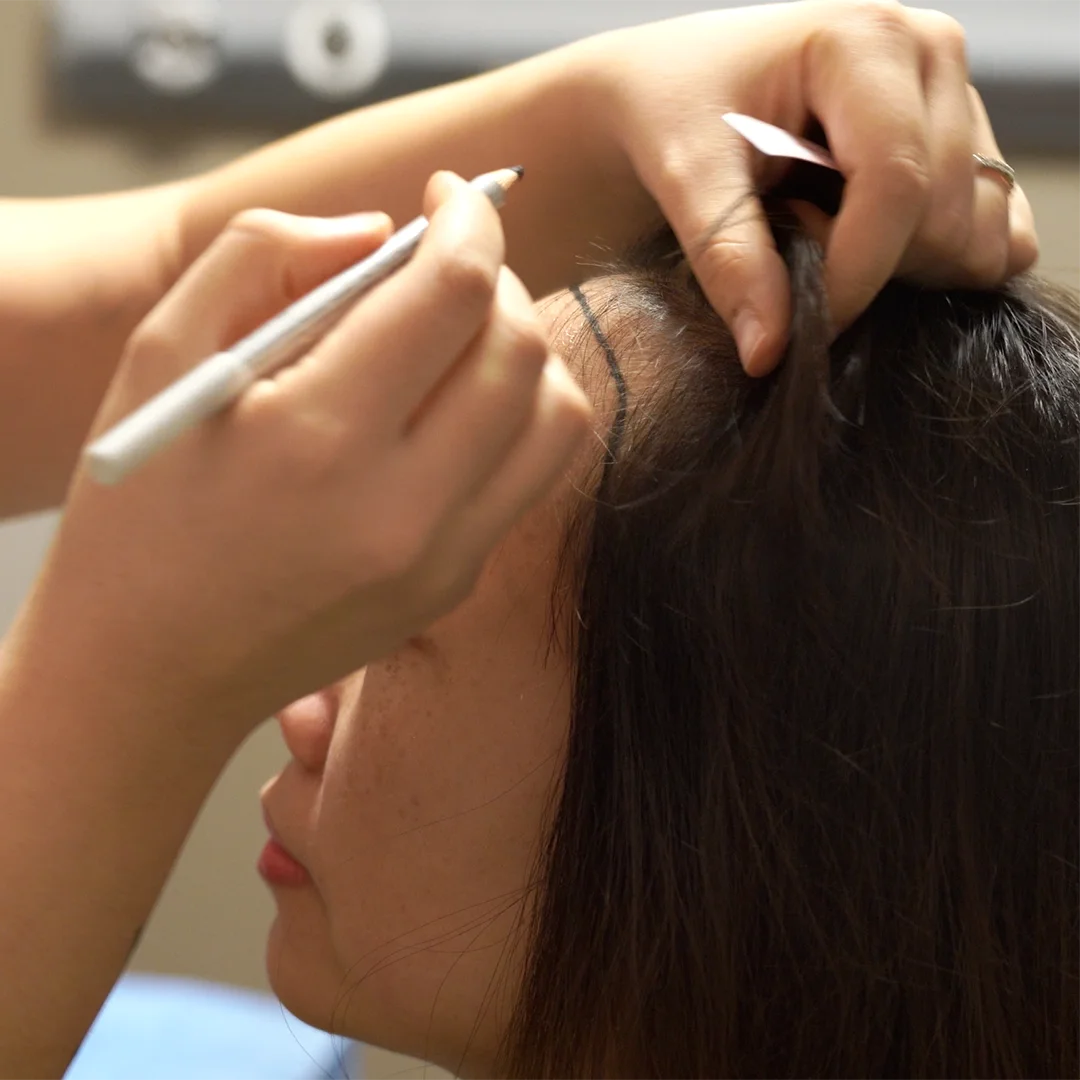
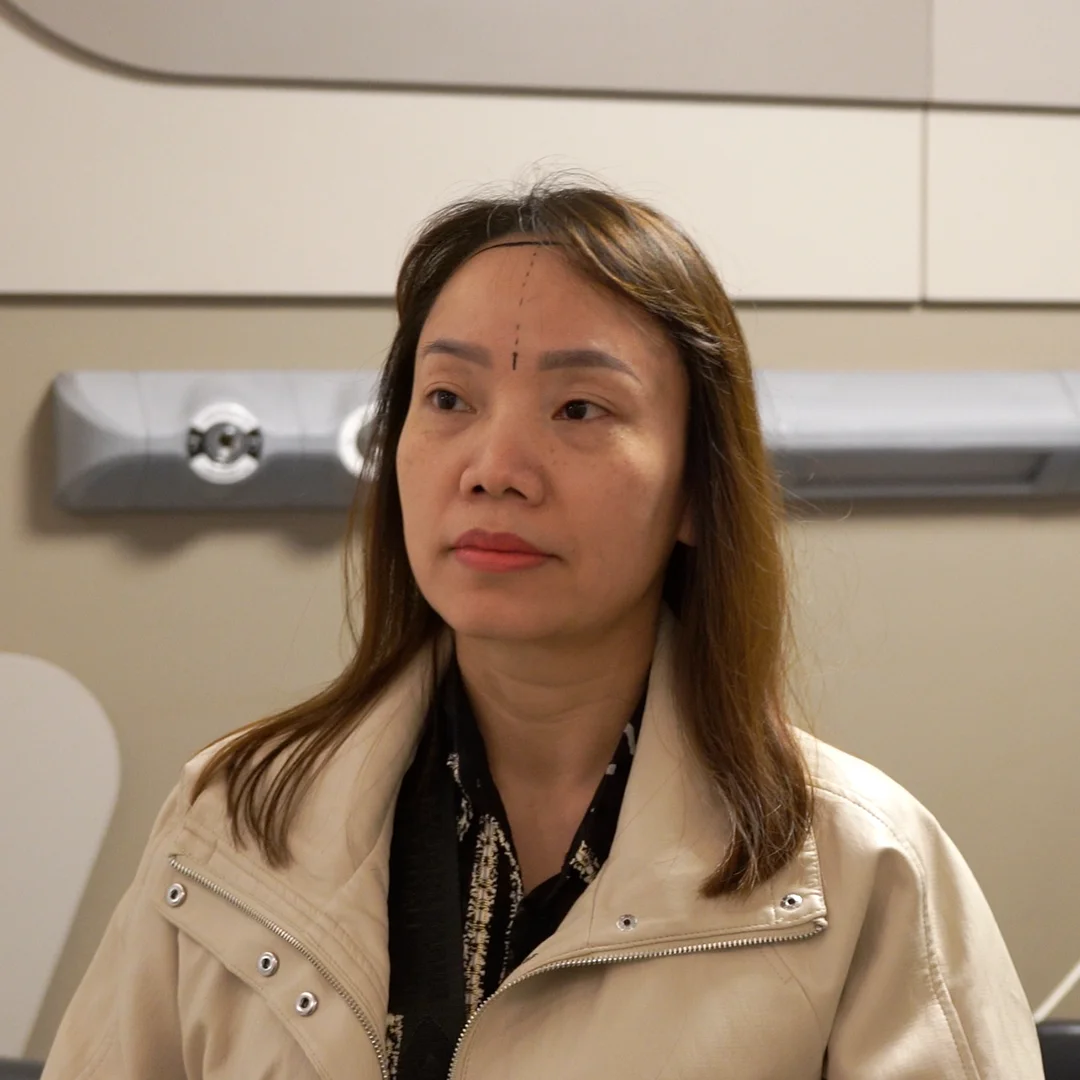
Female hairlines require a softer, irregular design compared to male hairlines. Expert surgeons follow anatomical guidelines supported by dermatological research to recreate natural transitions and density gradients. At Istanbul Care, planning includes facial symmetry analysis and age-appropriate design principles. This personalized approach ensures results that enhance femininity without appearing artificial or overcorrected.
Assessing Your Eligibility for Female Hair Restoration
Not every type of hair loss is immediately suitable for transplantation, which is why eligibility assessment is a critical first step. According to clinical guidelines from the International Society of Hair Restoration Surgery (ISHRS), female candidates require a more detailed evaluation than male patients due to diffuse thinning patterns. In Turkey, advanced clinics perform scalp analysis, donor density measurement, and medical history reviews before confirming candidacy. This approach addresses suitability assessment reminder and helps avoid unsuccessful procedures.
Evaluating Donor Area Density and Follicle Condition
The donor area, typically the back and sides of the scalp, must have sufficient density and healthy follicles to support transplantation. Unlike men, women may experience thinning even in donor zones, a condition known as diffuse unpatterned alopecia (DUPA), which can limit eligibility. Dermatological studies published by the American Academy of Dermatology (AAD) emphasize microscopic follicle examination and densitometry for accurate assessment. A strong donor area significantly increases graft survival and long-term success.
| Donor Area Factor | Ideal Condition | Impact on Results |
|---|---|---|
| Hair Density | ≥ 60 follicular units/cm² | Higher coverage |
| Hair Shaft Thickness | Medium to thick | Better visual density |
| Scalp Health | No inflammation or scarring | Improved graft survival |
Solutions for Hair Loss Caused by Hormonal Imbalances
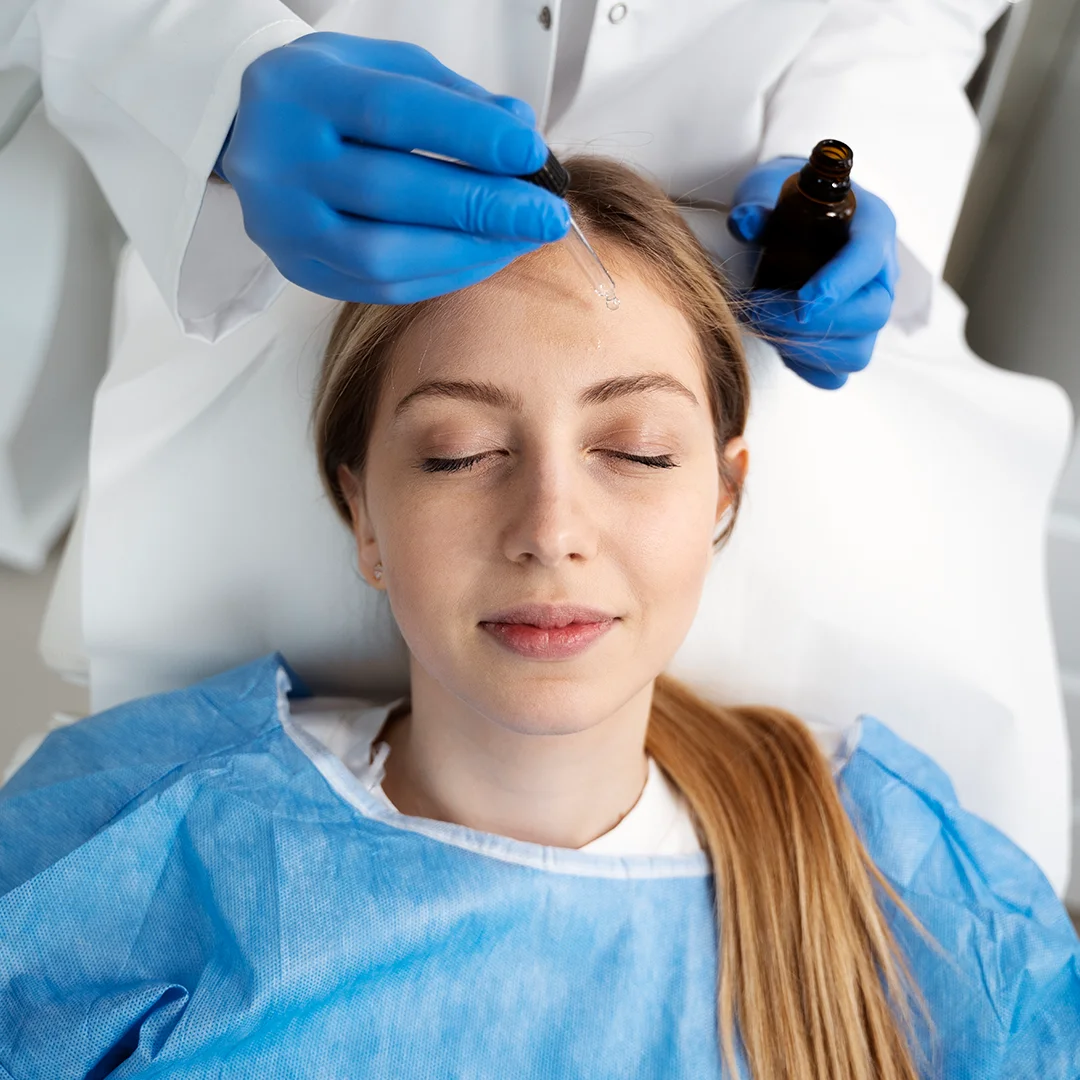
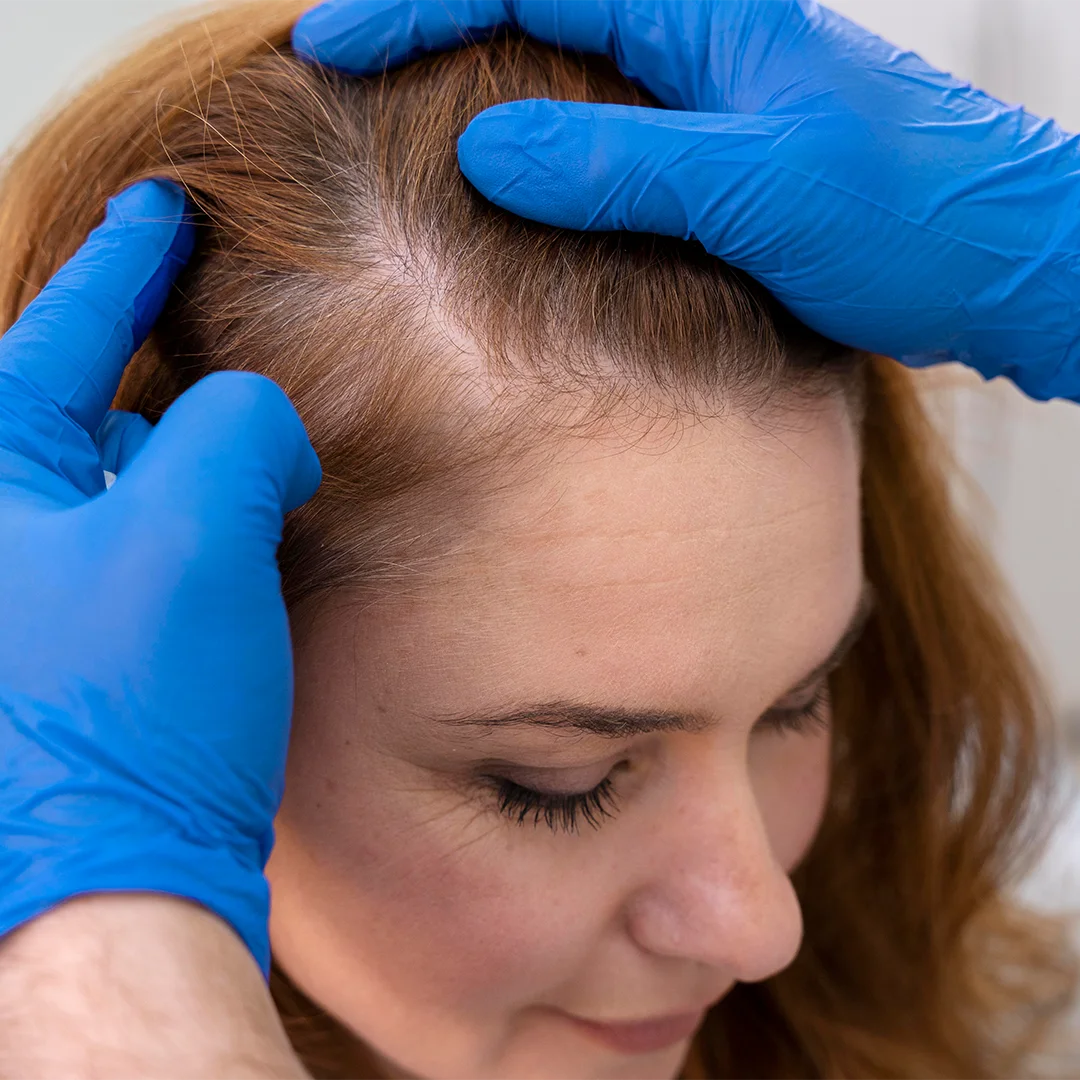
Hormonal imbalances, including estrogen fluctuations and thyroid disorders, are common contributors to female hair loss. According to research from the National Institutes of Health (NIH), hair transplantation should only be considered once hormonal levels are medically stabilized. In such cases, transplants can restore density lost during prolonged imbalance rather than temporary shedding. A combined approach involving medical treatment and surgical restoration often provides more sustainable outcomes.
Treating Traction Alopecia and African American Hair Types
Traction alopecia, often caused by tight hairstyles such as braids or ponytails, is particularly prevalent among women with textured or curly hair. The British Association of Dermatologists indicates that early-stage traction alopecia can respond well to hair transplantation when scarring is minimal. African American hair types require specialized extraction angles and implantation techniques due to curved follicles. When performed by experienced teams, transplantation can achieve natural density while respecting curl patterns and scalp sensitivity.
Understanding the Causes of Female Hair Loss
Understanding the underlying cause of hair loss is essential for choosing the correct treatment strategy. Female hair loss is often multifactorial, involving genetics, hormones, and environmental triggers. Medical literature from the World Health Organization (WHO) indicates that misdiagnosis can lead to ineffective or temporary outcomes. Accurate cause identification helps ensure that hair transplantation is both appropriate and durable.
Genetic Factors and Hereditary Thinning Patterns
Genetics play a significant role in female pattern hair loss and may be inherited from either parent. Unlike men, women typically experience a gradual reduction in overall hair density rather than localized bald patches. Studies referenced by the National Institutes of Health (NIH) describe this condition as progressive but manageable with early intervention. Hair transplantation can restore density in genetically affected areas when hair loss has reached a stable stage.
Impact of Hormonal Changes and PCOD on Density
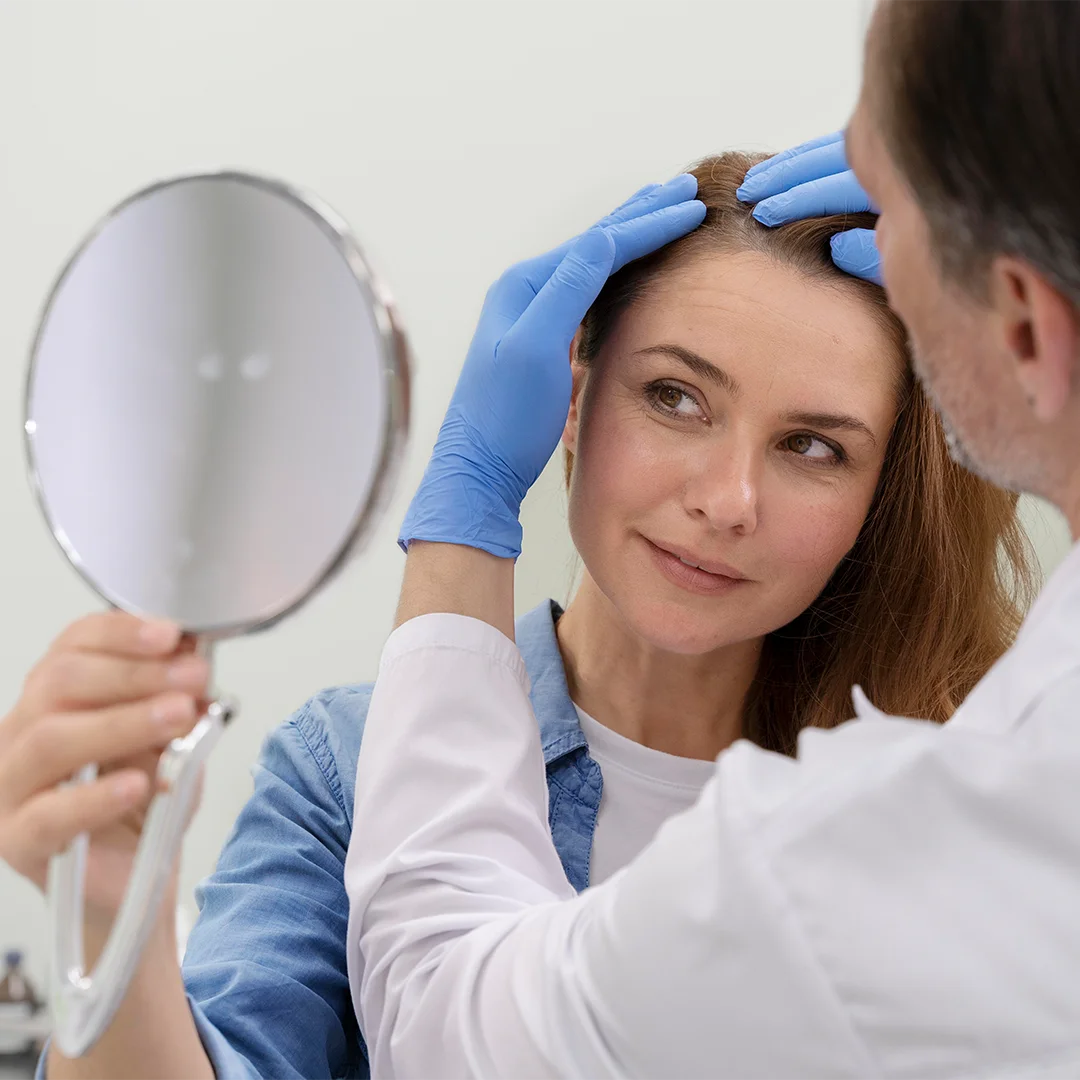
Polycystic Ovary Disorder (PCOD) and other endocrine conditions can significantly affect hair growth cycles. Elevated androgen levels may lead to follicle miniaturization, resulting in visible thinning over time. Endocrinology research cited by European medical journals indicates that hormonal stabilization is essential before considering surgical intervention. Once hormonal balance is achieved, hair transplantation can effectively address permanent density loss caused by prolonged hormonal disruption.
| Hormonal Factor | Effect on Hair | Transplant Timing |
|---|---|---|
| PCOD | Diffuse thinning, crown loss | After hormonal control |
| Menopause | Reduced estrogen, shedding | Suitable if stable |
| Thyroid Disorders | Growth cycle disruption | Post-treatment |
Differences Between Male and Female Pattern Baldness
Male pattern baldness typically follows a predictable pattern involving the frontal hairline and crown, while female pattern hair loss presents as diffuse thinning with a preserved frontal hairline. This distinction is documented by the International Society of Hair Restoration Surgery (ISHRS) and influences both technique selection and graft placement strategies. Women generally require more even graft distribution and lower density per area to maintain a natural appearance. Understanding these differences supports realistic expectations and effective surgical planning.
Are You a Good Candidate For Female Hair Transplant
Not every woman experiencing hair loss is automatically a suitable candidate for hair transplantation. Medical evaluation, donor hair assessment, and stability of hair loss are essential factors in the decision-making process. According to the International Society of Hair Restoration Surgery (ISHRS), appropriate candidate selection improves long-term outcomes and patient satisfaction. Clinics in Turkey apply structured diagnostic protocols to support ethical and effective treatment planning.
Checking Donor Hair Quality and Density
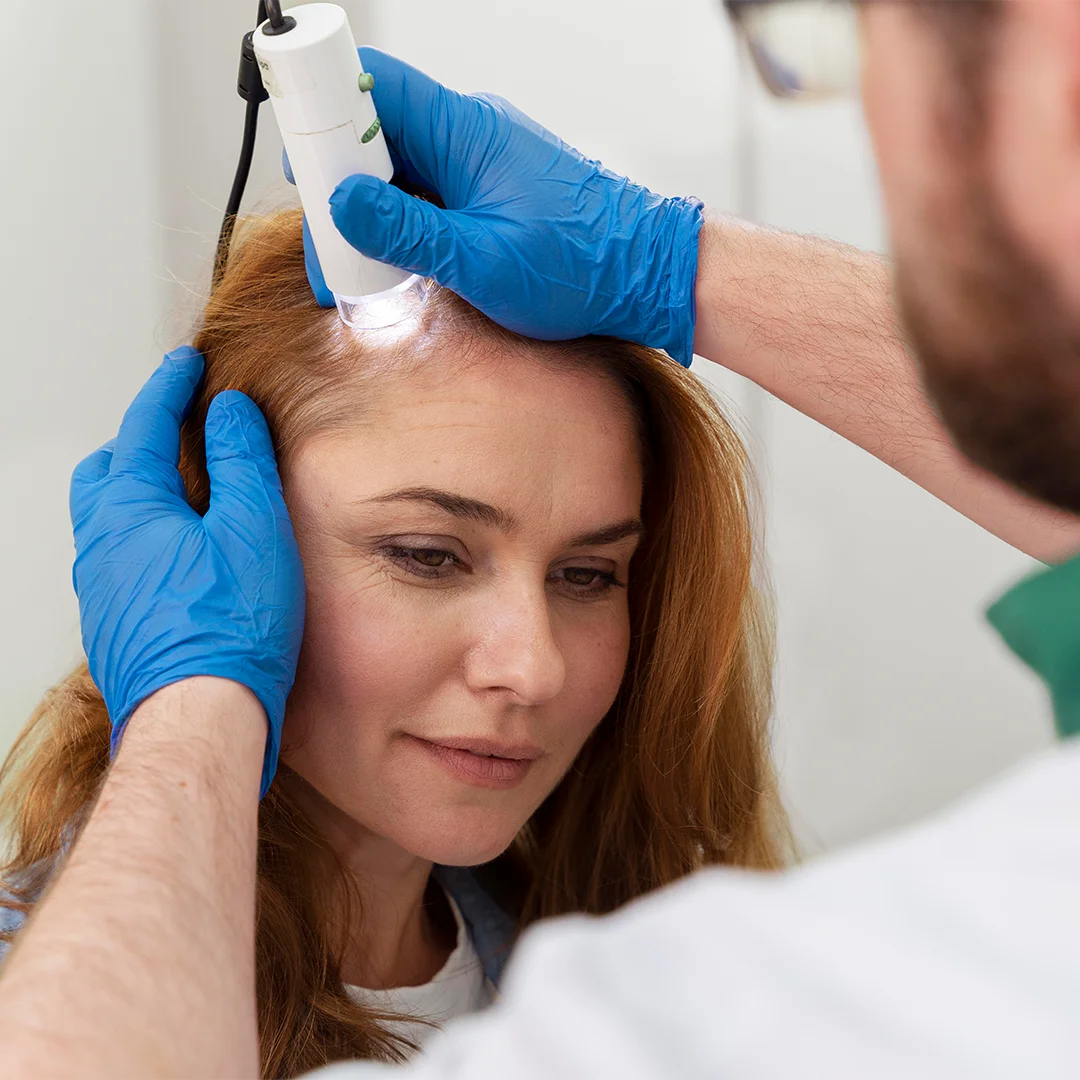
The donor area, usually located at the back and sides of the scalp, must have sufficient density and follicle strength to support transplantation. Research cited by the American Academy of Dermatology (AAD) indicates that follicles harvested from a healthy donor zone retain their resistance to hair loss. In women, donor hair requires careful evaluation due to the potential presence of diffuse thinning. Trichoscopic analysis is used to determine whether an adequate number of viable grafts can be extracted safely.
| Donor Assessment Criteria | Why It Matters |
|---|---|
| Hair shaft thickness | Affects visual density |
| Follicle density | Determines graft availability |
| Donor zone stability | Ensures long-term results |
| Scalp condition | Impacts healing and graft survival |
Suitable for Diffuse Thinning or Localized Loss
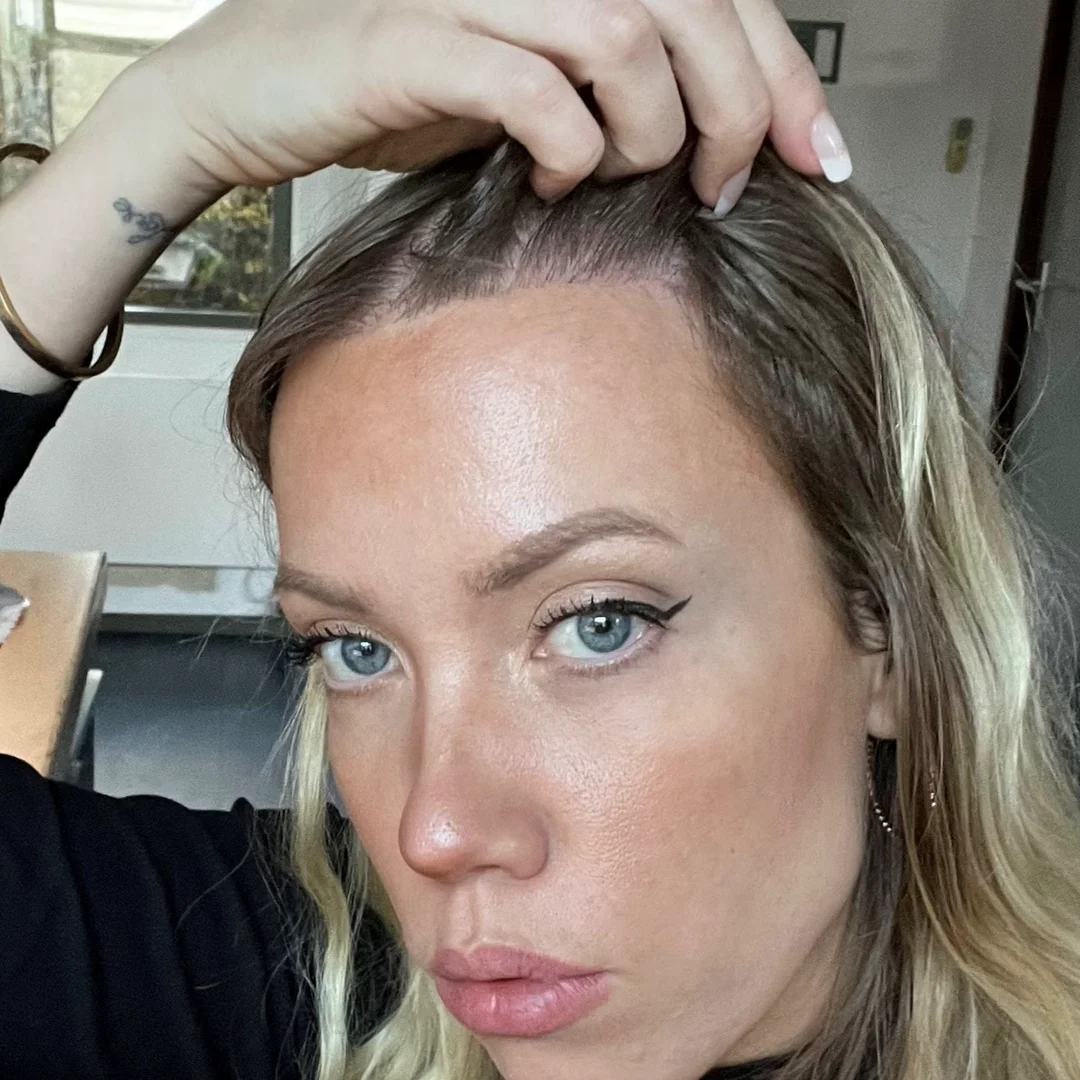
Women with localized hair loss, such as temple thinning, widening part lines, or traction alopecia, are often suitable candidates for hair transplantation. Diffuse thinning may also be treated successfully when the donor area remains strong and unaffected. Dermatology studies referenced by the National Institutes of Health (NIH) indicate that transplant success relies on selective graft placement rather than complete coverage. This highlights the importance of individualized planning for women compared to standardized approaches often used for men.
Health Tests and Stability Before Surgery
Pre-operative health screening is a standard component of responsible hair restoration. Blood tests commonly assess iron levels, thyroid function, and hormone profiles to identify potential underlying causes of hair shedding. Guidance from the World Health Organization (WHO) supports stabilizing medical conditions before elective surgical procedures. Hair transplantation is generally considered appropriate only when hair loss is medically stable, supporting more predictable and long-lasting outcomes.
The No Shave Hair Transplant Advantage
No shave hair transplant techniques have changed female hair restoration by offering a discreet treatment option that does not require visible scalp shaving. This approach is often preferred by women who wish to maintain their usual appearance during the treatment process. By preserving existing hairstyles, clinics in Turkey address both aesthetic considerations and daily lifestyle needs. This method is consistent with patient-centered care principles described by the International Society of Hair Restoration Surgery (ISHRS).
Extracting Grafts Without Shaving the Whole Head
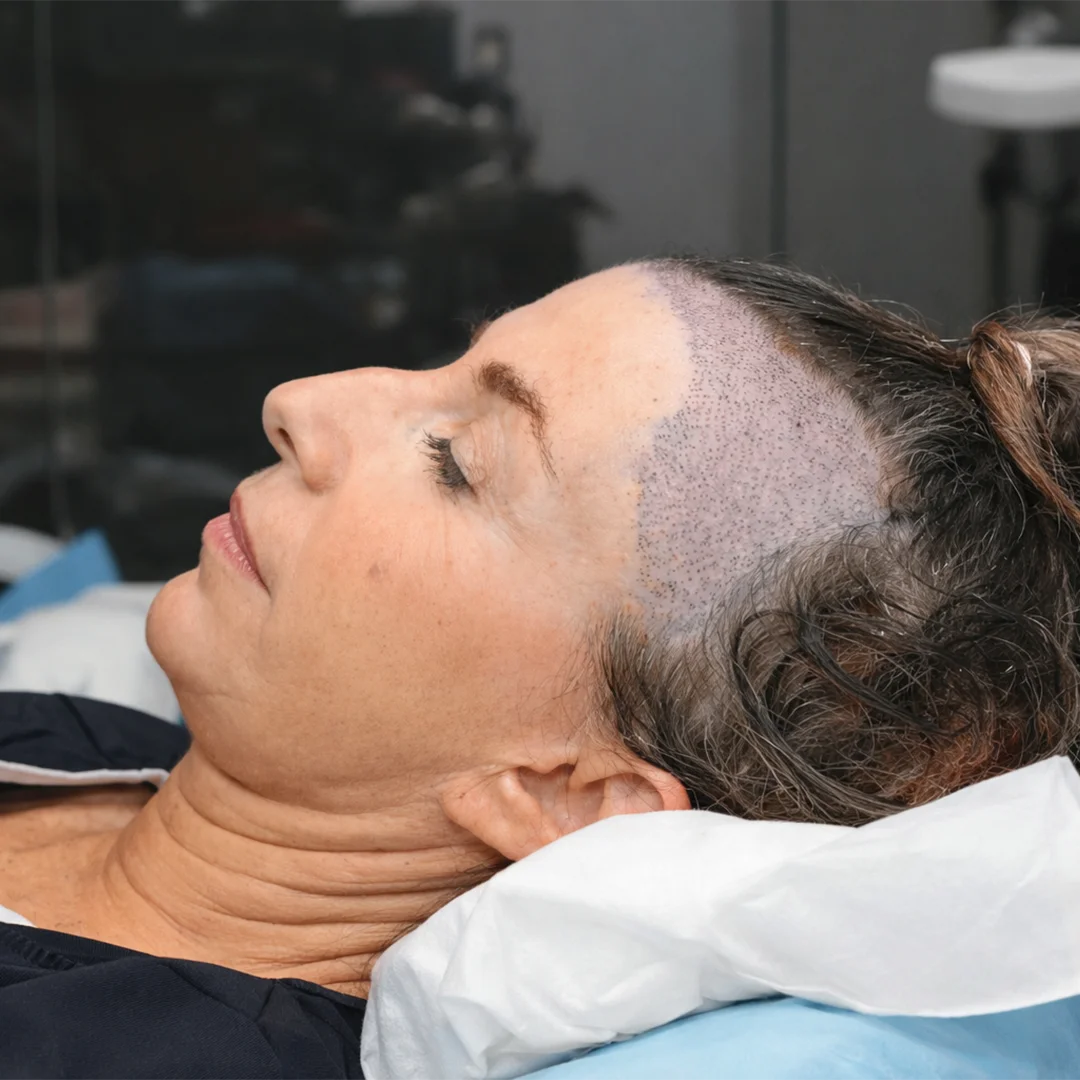
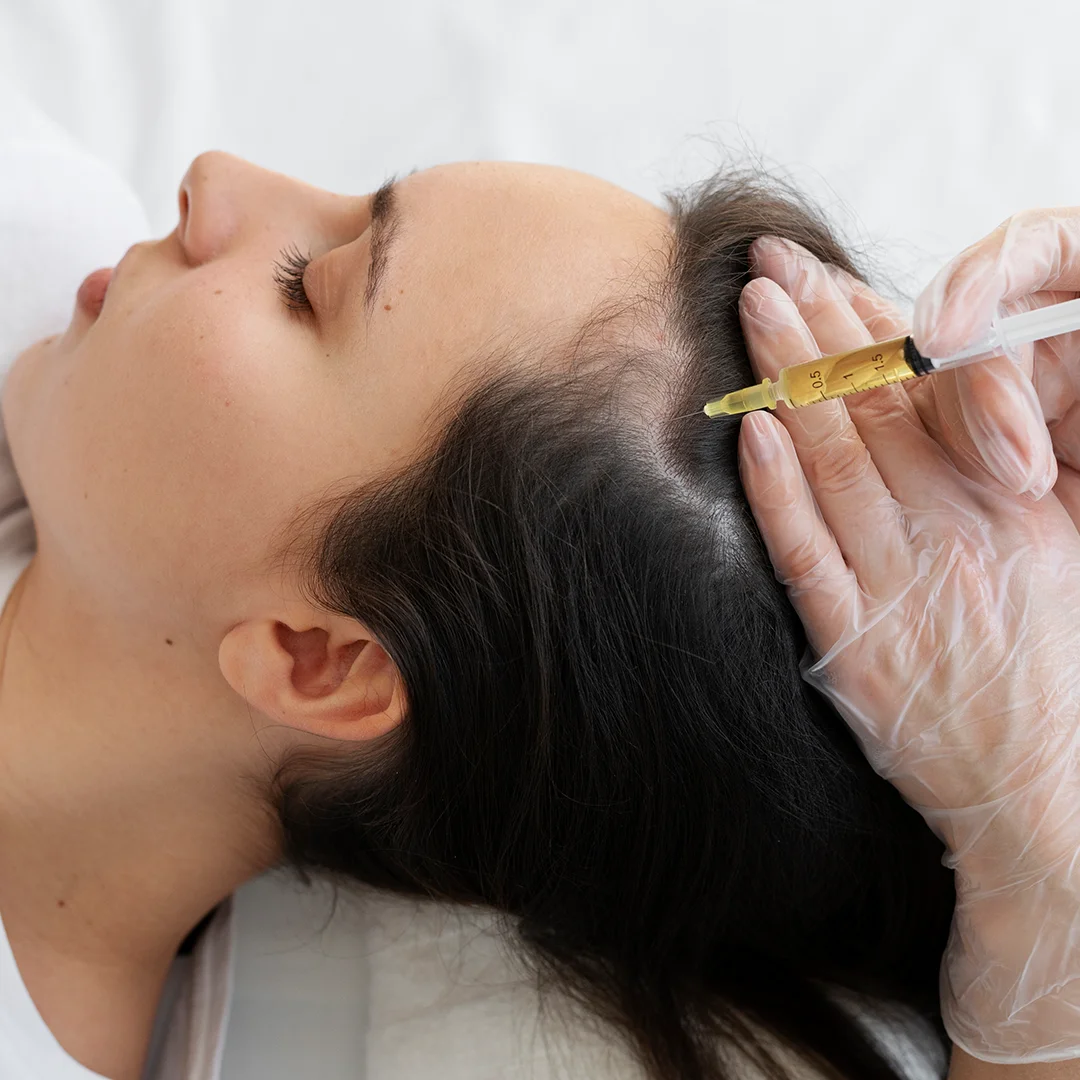
In no shave follicular unit extraction (FUE) procedures, individual follicular units are harvested from beneath longer hair strands. The technique requires precise surgical skill and specialized instruments to reduce the risk of follicle damage. Clinical observations reported in European hair restoration journals indicate graft survival rates comparable to those of standard FUE techniques. For women, this allows effective treatment while preserving overall hair appearance.

Concealing the Small Donor Patch with Existing Hair
Only a small and strategically selected donor area may be partially trimmed, allowing surrounding hair to fully cover it. This approach helps keep post-procedure redness and extraction points largely hidden. Patient outcome analyses reported by the International Society of Hair Restoration Surgery (ISHRS) indicate that effective concealment can improve psychological comfort and confidence. Women are generally able to continue social activities without noticeable signs of the procedure.
| Aspect | No Shave Technique |
|---|---|
| Visibility after surgery | Very low |
| Hairstyle preservation | Yes |
| Social downtime | Minimal |
| Preferred by women | High |
Returning to Daily Life and Work Immediately After Surgery
Many women can return to daily routines and office-based work within 24 to 48 hours following a no shave hair transplant. Because full scalp shaving is not required, the procedure integrates more naturally with normal appearance. Guidance from the American Society of Plastic Surgeons emphasizes minimally invasive techniques as a factor in faster recovery. This characteristic makes no shave hair transplantation suitable for individuals seeking minimal interruption to professional life.
Why Turkey Leads for Women Hair Transplants
Turkey has established itself as a global center for female hair transplantation through medical expertise, technological innovation, and broad accessibility. International patients benefit from standardized clinical protocols, modern treatment facilities, and competitive cost structures. Professional organizations such as the International Society of Hair Restoration Surgery (ISHRS) identify Turkey as one of the highest-volume hair restoration regions worldwide. This extensive experience contributes to the refinement of techniques used specifically for female patients.
Specialized No Shave Expertise Available
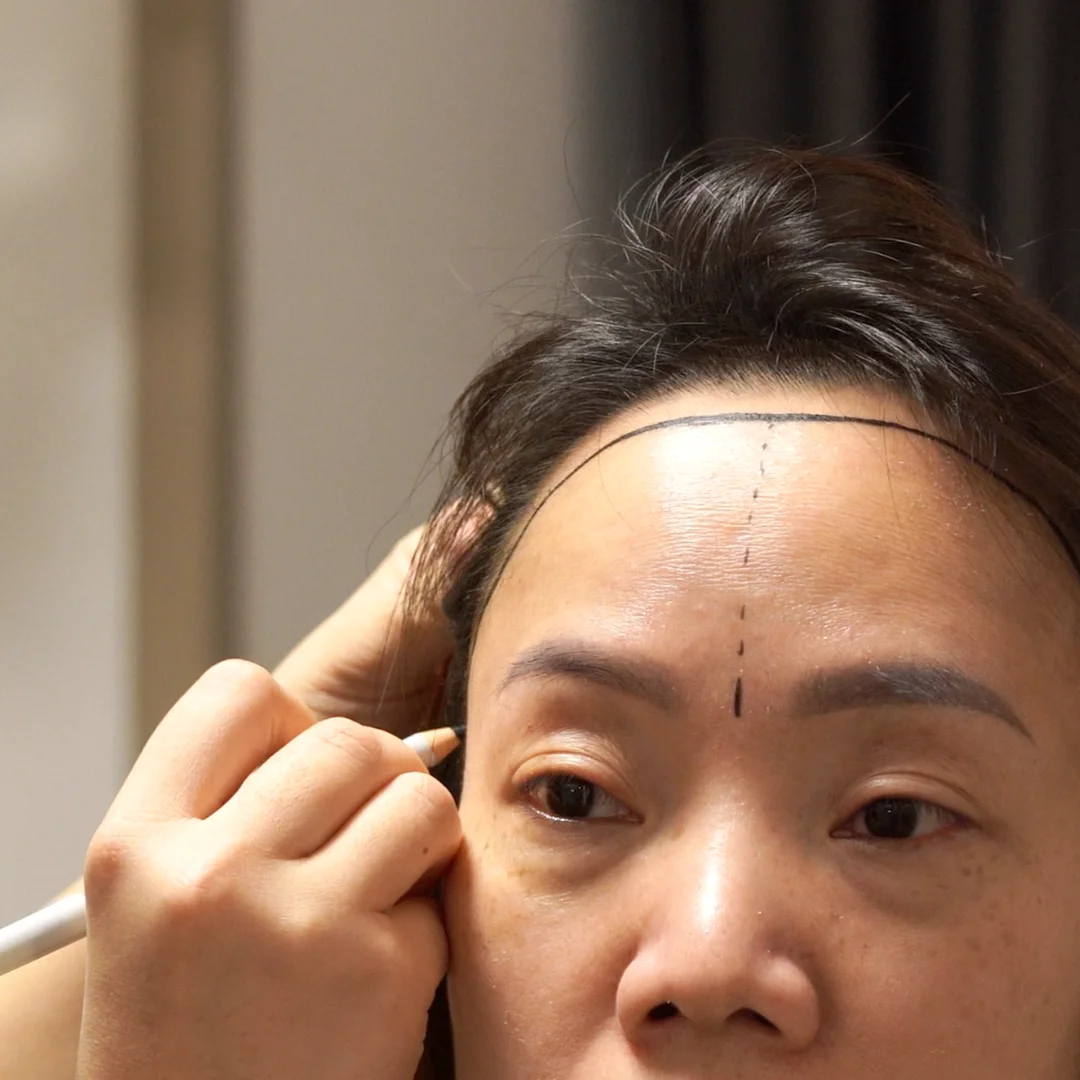
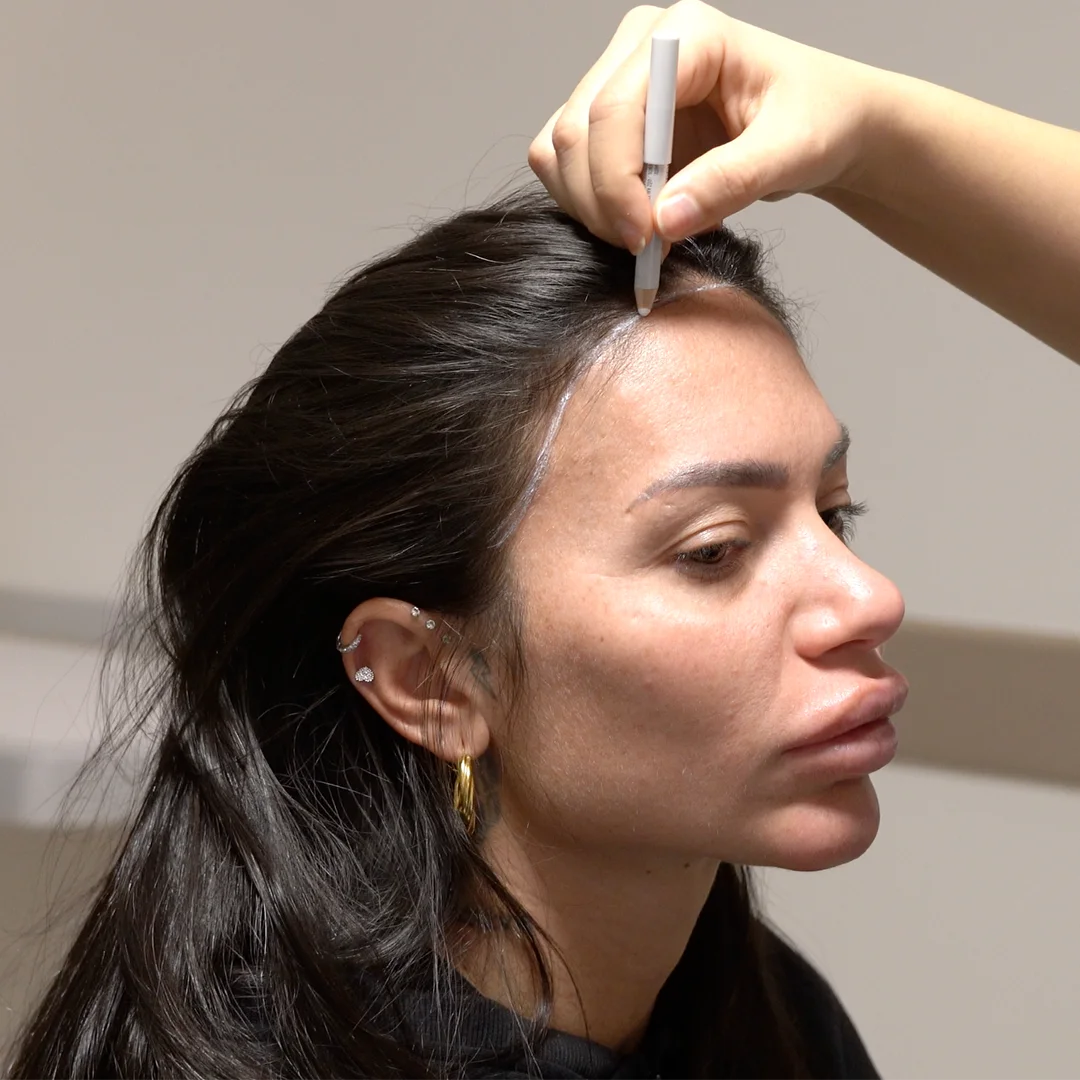
Female hair transplantation requires advanced technical precision, particularly when no shave techniques are applied. Surgeons in Turkey regularly perform these complex procedures, allowing skills to be refined through high case volume and continuous clinical practice. At Istanbul Care, female-focused treatment protocols are used to support natural density outcomes and discreet healing. This level of specialization is a significant factor influencing women to select Turkey as a treatment destination.
High Volume Experience with Female Cases
High procedural volume enables clinics to develop consistent clinical practices while still allowing for individualized treatment planning. Data published by the International Society of Hair Restoration Surgery (ISHRS) indicate that surgeon experience is closely associated with graft survival and aesthetic outcomes. Clinics in Turkey manage a large number of female hair transplant cases each year, including treatments for diffuse thinning and corrective procedures. This level of experience supports risk reduction and more predictable results.
Positive Reviews from Global Women Patients
Patient satisfaction is an important factor when assessing medical tourism destinations. Outcome studies referenced by international healthcare quality organizations report high satisfaction rates among women who undergo hair transplantation in Turkey. Contributing factors include natural-looking results, structured aftercare, and clear cost information. For many international patients, confidence in treatment decisions is strengthened by consistent outcomes reported by clinics such as Istanbul Care.
Cost Factors and Planning Your Medical Journey
Planning a women hair transplant in Turkey involves consideration of both medical and logistical factors. Turkey’s healthcare infrastructure and high procedural volume enable clinics to provide advanced treatments at accessible price levels without reducing safety or quality standards. Data shared by the International Society of Hair Restoration Surgery (ISHRS) indicate that cost differences between countries are primarily related to operational expenses rather than variations in medical care. This positioning makes Turkey a practical option for patients seeking value and clarity in treatment planning.
Understanding the Price of Female Hair Transplant in Turkey
The cost of a female hair transplant in Turkey generally varies based on the technique selected, the number of grafts required, and overall case complexity. At Istanbul Care, women hair transplant procedures are typically priced between 1290 USD and 1500 USD and are offered within an all-inclusive framework. When compared with pricing in many Western countries, this reflects a notable cost difference while following internationally recognized clinical protocols. Transparent pricing structures allow patients to evaluate options without unexpected additional charges.
| Country | Average Cost (USD) | Inclusions |
|---|---|---|
| Turkey | 1290 – 1500 | Surgery, accommodation, transfers |
| Western Europe | 5,000 – 8,000 | Surgery only |
| USA | 7,000 – 12,000 | Surgery only |
Safety Protocols and Local Anesthesia for Pain-Free Surgery
Safety is a fundamental component of female hair transplant procedures, particularly for patients traveling internationally. Clinics in Turkey apply protocols consistent with World Health Organization (WHO) surgical safety guidelines, including sterile operating environments and comprehensive pre-operative screening. Local anesthesia is commonly used to maintain patient comfort while avoiding the additional risks associated with general anesthesia. Clinical reviews published by the American Academy of Dermatology (AAD) indicate that local anesthesia is a safe and effective option for hair restoration procedures.
Organizing Your Consultation and Trip Logistics
Careful organization of the medical journey contributes to patient comfort and overall treatment efficiency. Initial consultations are often conducted online and may include photographic evaluation, medical history assessment, and preliminary graft estimation. Istanbul Care supports patients with coordination of airport transfers, accommodation, and Clinics scheduling to reduce travel-related complexity. This structured approach aligns with international medical tourism standards and supports a more seamless treatment experience.
Recovery Process After Female Hair Transplants
Recovery after a female hair transplant is typically uncomplicated when post-operative care instructions are followed. The healing timeline may differ slightly from that of male patients due to longer existing hair and the use of non-shaven techniques. Medical literature published by the International Society of Hair Restoration Surgery (ISHRS) indicates that many women can resume routine daily activities within a few days. Awareness of the recovery stages supports realistic expectations and informed decision-making.
Immediate Aftercare and Healing Process
The first 7 to 10 days following surgery are primarily focused on protecting grafts and supporting scalp healing. Temporary effects such as mild redness, swelling, and scab formation are common during this period. Guidance from the European Academy of Dermatology advises avoiding direct sun exposure, intense physical activity, and hair styling products in the early phase. Following recommended washing methods and prescribed medications helps reduce the likelihood of complications.
| Post-Op Phase | What to Expect | Patient Action |
|---|---|---|
| Days 1–3 | Mild swelling, sensitivity | Rest, head elevation |
| Days 4–10 | Scab formation | Gentle washing |
| Day 10+ | Scabs fall off | Resume normal routine |

Shock Loss and Early Changes Explained
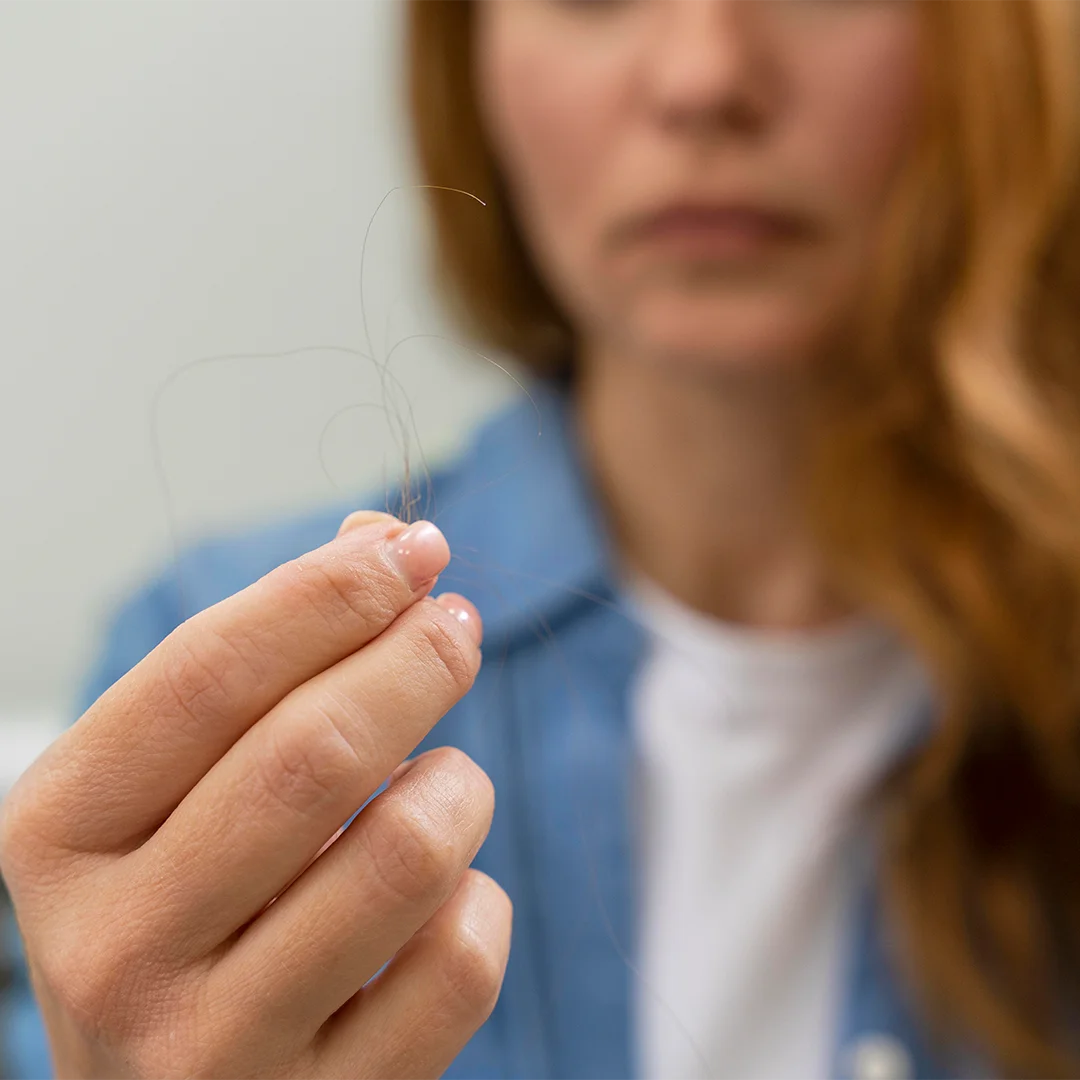
Shock loss describes the temporary shedding of transplanted hair or surrounding native hair that can occur within the first few weeks after surgery. This response is documented in studies published by the National Institutes of Health (NIH) and represents a normal reset of the hair growth cycle. Although it may cause concern, shock loss does not compromise the long-term outcome of the transplant. New growth typically begins as follicles re-enter the anagen, or active growth, phase.
Full Results in 9 to 15 Months
Final outcomes of a female hair transplant generally become noticeable between 9 and 15 months after the procedure. During this period, transplanted hair progressively thickens, matures, and integrates with existing hair. Long-term outcome studies referenced by the International Society of Hair Restoration Surgery (ISHRS) report high graft survival rates when appropriate surgical methods and follow-up care are applied. The result is a gradual and sustained improvement in hair density over time.